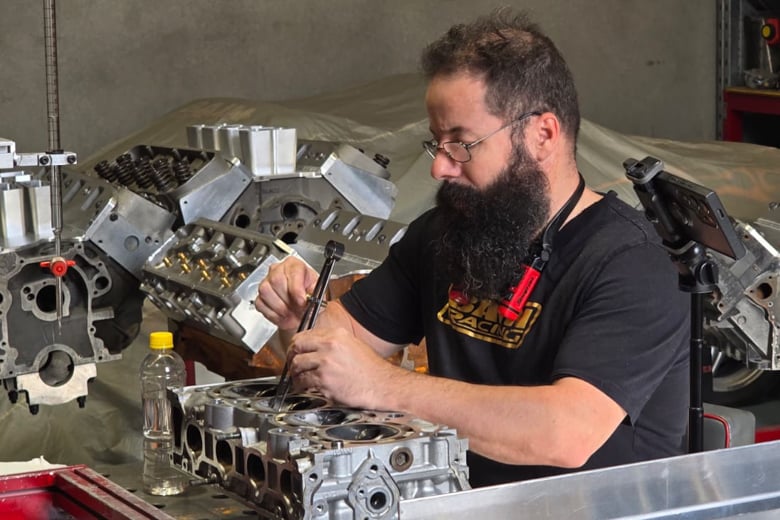
Some people learn engines by doing—others take it a step further and truly understand the physics behind what’s happening. Jake from Bain Racing sits firmly in that second category, combining hands-on experience with deep engineering knowledge to build some seriously impressive engines.
Listen on SpotifyListen on Apple Podcast
👉 Use the code ‘PODCAST500’ to get $500 OFF HPA's VIP Package: https://hpcdmy.co/podvip
In this episode of Tuned In, we dive into Jake’s background and how a family history steeped in motorsport set the foundation for his career. From building cars in his teens to running his own shop and developing race engines, Jake shares how a mix of curiosity, study, and real-world experience shaped his approach to engine building.
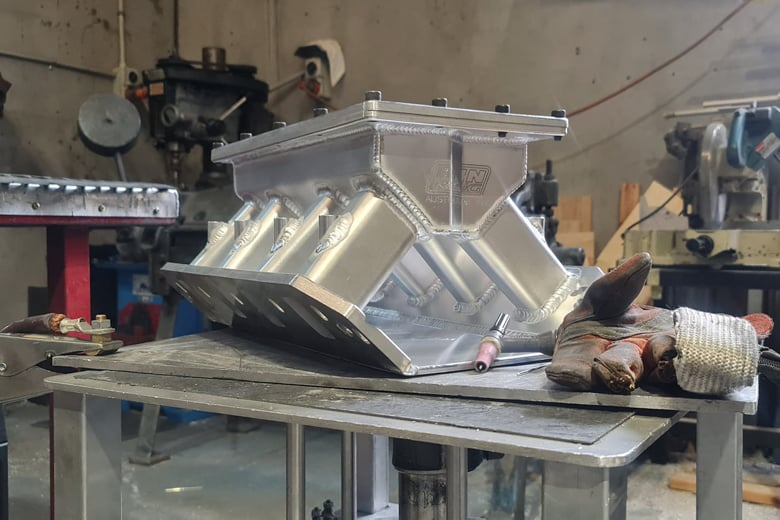
We cover the fundamentals that underpin everything Jake does—covering topics like harmonic dampening, bearing clearances, oil viscosity, and why many common engine-building “rules” aren’t as black and white as they seem.
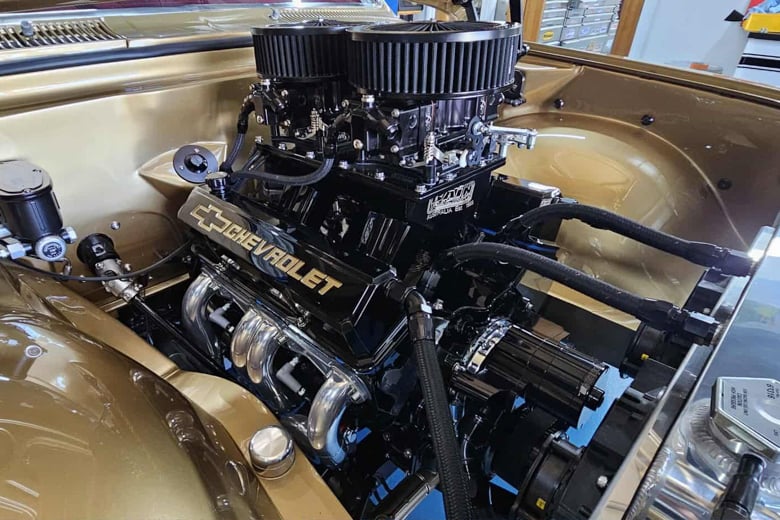
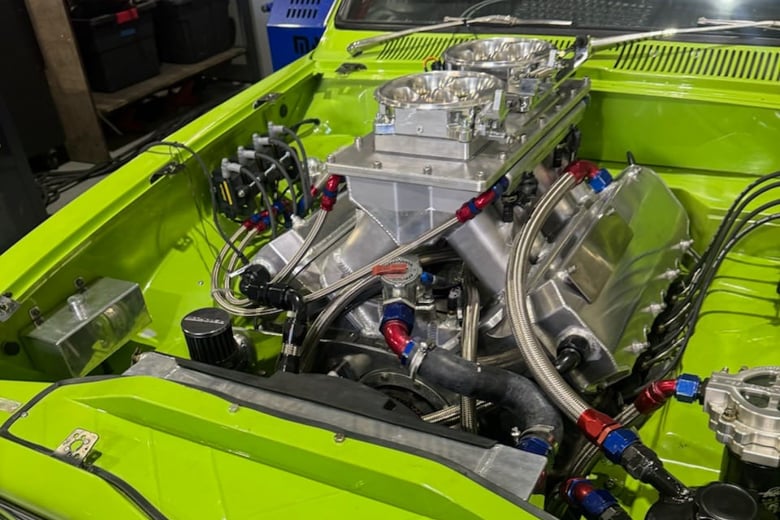
Jake then unpacks airflow and cylinder head development, breaking down the often misunderstood relationship between flow and velocity and how factors like surface finish, valve seat design, and port shape all contribute to real-world performance. We also explore intake manifold design and the role of runner length, plenum volume, and harmonic tuning in maximising engine efficiency.
This episode is packed with practical knowledge and deep technical insight. Whether you’re building engines, tuning them, or just want to better understand how they really work, Jake’s ability to connect theory with real-world results makes this one a must-listen.
👉 Use the code ‘PODCAST500’ to get $500 OFF HPA's VIP Package: https://hpcdmy.co/podvip
Follow Jake here:
Facebook: BainRacing
Instagram: BainRacing
Youtube: BainRacing
WWW: bainracing.com.au
Links:
https://www.enginelabs.com/news/amazing-video-jon-kaase-tests-airflow-dynamics-with-his-finger/
Timestamps:
0:00 Intro
4:16 How did you get interested in cars?
10:45 If an engine is balanced why do we have harmonics?
18:05 How do you learn to build performance engines?
21:48 Compression ratios for different applications
26:53 How did you build up your knowledge?
30:54 At what point did your current business take off?
33:15 Bearing clearance vs oil viscosity
41:13 What’s your opinion of billet blocks for street engines?
44:43 Is it hard to make a profitable engine building business?
48:50 When it comes to cylinder head porting why is big not always better?
51:52 Why is velocity so important?
57:20 What is the optimum surface finish for a port?
1:04:04 What’s the best approach to use when porting around the guide?
1:08:00 How important is the valve seat?
1:10:45 Are your heads all CNC ported?
1:15:58 How are you testing your heads and porting?
1:18:42 What do most people get wrong with intake design?
1:20:10 Can you explain the 3rd harmonic and why it’s important?
1:23:45 How do you choose the design of the intake manifold for a given engine?
1:26:00 How well does your calculation validate on the dyno?
1:29:22 Is there any rule on intake manifold volume?
1:32:16 What is a shear plate?
1:34:51 ITB’s vs single or double throttle body
1:38:43 How do we size our throttle body?
1:43:49 What’s been the most interesting project?
1:52:17 Final 3 Questions