The electrification of vehicles is accelerating globally, but misconceptions about electric vehicles (EVs) persist. Some of these myths stem from outdated information, while others arise from misunderstanding the data or deliberate misinformation. Understanding the facts is essential for making informed decisions about EV technology, whether you're considering a purchase or working on an EV conversion project.
In this article, we'll address three of the most common EV myths and provide the technical reality behind each claim.
In this article: Myth One: Electric Vehicles Have Zero Emissions | Myth Two: Petrol and Diesel Vehicles Catch Fire Less Often | Myth Three: The Electrical Grid Can't Support EV Charging | Conclusion
Myth One: Electric Vehicles Have Zero Emissions
Despite marketing claims to the contrary, EVs do not have zero emissions. However, this doesn't mean they produce more emissions than equivalent petrol or diesel (ICE) vehicles. In most regions worldwide, EVs charged from grid power already produce fewer greenhouse gas emissions than ICE alternatives.
As electrical grids transition to renewable energy sources, EVs become progressively cleaner, while the production and transportation of petrol, diesel, or liquefied petroleum gas will never achieve comparable emissions reductions.
Regional variations exist. For example, areas relying on low-quality coal-fired power generation will show different emission profiles compared to regions using hydroelectric or renewable energy sources. However, when examining global statistics, the overall trend favours EVs.
When comparing emissions data, it's critical to note that EV figures typically include production and transportation-related emissions across the entire lifecycle, whereas ICE vehicle figures often only account for tailpipe emissions, excluding fuel production and distribution. This discrepancy can be an oversight, but it's frequently used to create misleading comparisons.
The reality is that if truly minimal emissions are your goal, the most effective approach is vehicle reduction rather than vehicle type. But we're not here telling you to necessarily do that, we love race cars, we are, however, all about the facts and not the politics.
Myth Two: Petrol and Diesel Vehicles Are Lower Fire Risks
EV battery fires receive significant media attention due to their spectacular nature and the challenge of extinguishing them. However, the actual incidence of EV fires is, comparatively, extremely low.
ICE vehicle fires occur more frequently and are typically caused by fuel leaks, hot catalytic converters igniting dry grass, or incidents involving welding near fuel tanks or open containers. These fires are more common than EV battery fires but receive less media coverage because they've been normalised over the last 100 years.
What is new to us is how dramatic EV fires can be if they do occur. It is scary stuff. As we will cover below, however, it isn't one that will be a problem forever, and you have the same battery technology in your pocket sitting next to your genitals right now without issue, so is the fear truly founded?
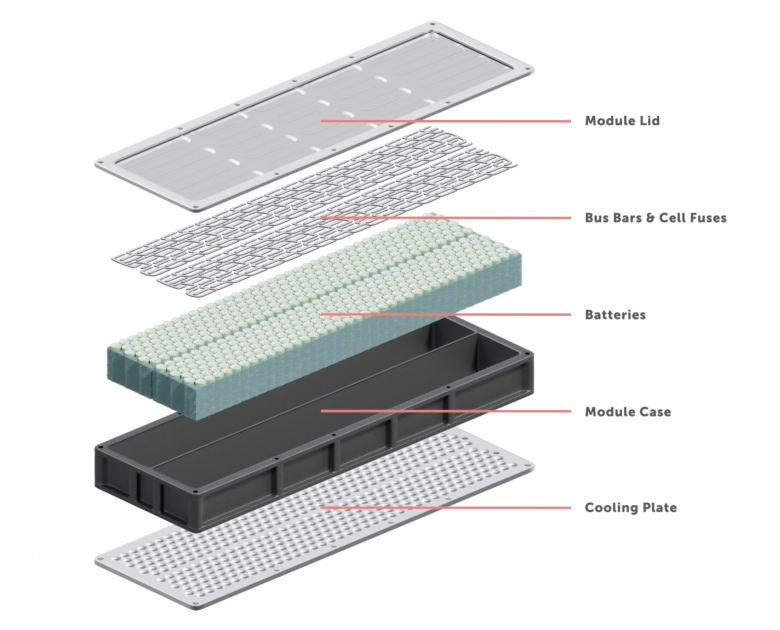
Understanding EV Battery Fire Causes
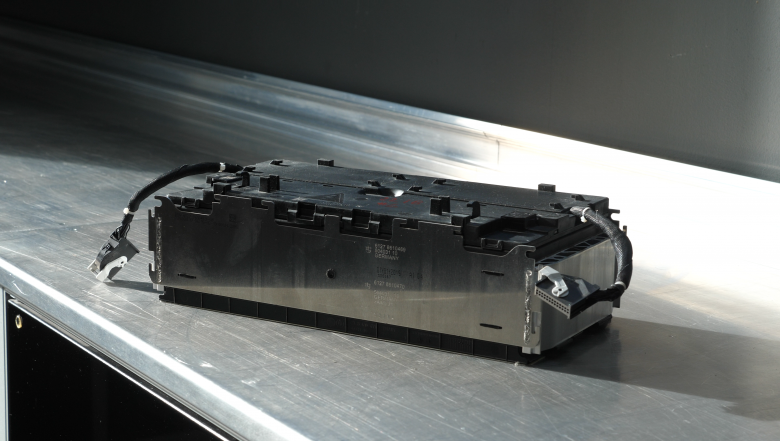
When lithium-ion battery fires do occur, three primary factors are responsible: excessive heat, puncture damage, and charging at temperatures below zero degrees Celsius.
The points below are generalisations. They do not apply to all EV battery technologies, especially newer options outside of the US, but this is all still helpful to understand.
Excessive Heat: If a battery cell reaches approximately 420°C, the electrolyte solution inside can ignite upon contact with oxygen. This can trigger thermal runaway, where surrounding cells heat up and ignite in a chain reaction. Modern Battery Management Systems (BMS) and quality control measures make this scenario rare, but it remains possible if uncontrolled charging currents push voltage to critical levels and safety systems fail to respond.
Puncture Damage: Physical damage to battery cells creates internal short circuits between the cathode and anode, generating intense heat. If the electrolyte ignites when exposed to oxygen entering through the puncture, surrounding cells can also heat up and potentially ignite. However, many modern cell designs can withstand puncture without thermal events, depending on cell chemistry and construction.
Cold Weather Charging: Charging lithium-ion batteries below zero degrees Celsius, particularly with DC fast charging, can cause lithium plating on the anode. This permanently damages the battery and can eventually lead to short circuits. The danger is that these short circuits may not occur immediately but can be triggered later by vibrations or impacts.
Manufacturers have developed comprehensive safety protocols through BMS and Vehicle Control Units (VCU) to prevent these scenarios and some countries are even passing laws to ban battery technology that can see thermal runaway. For those working on EV conversion projects, understanding these risks and implementing proper safety measures is essential. The EV Fundamentals course covers battery safety protocols and BMS configuration in detail.
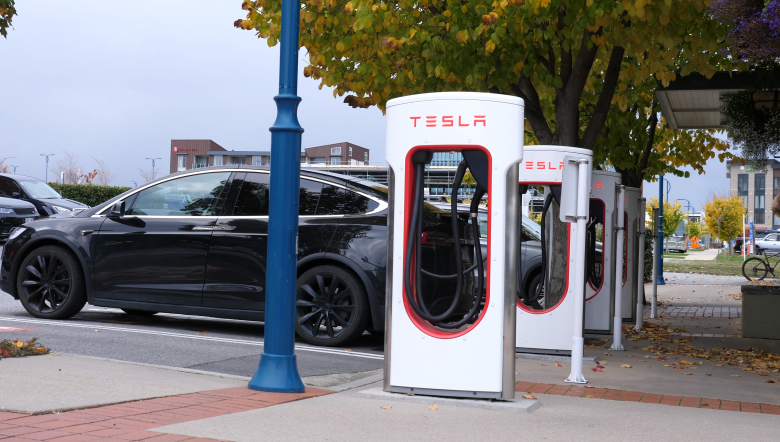
Myth Three: The Electrical Grid Can't Support EV Charging
EVs do not add the excessive demand to electrical grids that many claim. Unlike the power required for fuel station pumps, many private EVs are predominantly charged overnight when grid load is at its lowest. Heating your home every morning only to leave shortly after, watching Netflix and using ChatGPT during peak times are examples of other conveniences that put more and more pressure on our electrical grids. The TL:DR there is we are using more power than ever and that trend is growing, with or without EVs, not only because of them.
Studies demonstrate that grids will accommodate EV adoption as it grows. Research indicates that if EVs reach 11-28% of the global road transport fleet by 2040, this would increase global electricity consumption by 11-20% , showing that even substantial EV adoption represents manageable increases in overall electricity demand.
While infrastructure upgrades will be necessary, research from California shows that even with significant EV adoption, the additional infrastructure costs are offset by downward pressure on electricity rates due to overall growth in electricity consumption, leading to a net reduction in electricity rates between $0.01 and $0.06/kWh by 2045 . This demonstrates that grid adaptation is both technically feasible and economically viable.
Given that EV adoption will occur gradually rather than overnight, proper planning allows for grid infrastructure upgrades and management adjustments well before they become necessary. Studies show that strategic charging management, particularly shifting residential charging patterns, can substantially reduce infrastructure upgrade requirements . While specific locations may face unique challenges, some areas actually benefit from electrical distribution advantages compared to the difficulty of transporting liquid fuels.
One calculation overlooked is also the reduction in the energy required to drill and refine oil for ICE applications. This certainly won't offset electrification, but the true cost of engine oil and petroleum fuel production and transportation is not widely discussed, nor are the electrical requirements for hydrogen fuel production and storage when touted as an alternative.
Conclusion
Understanding the technical reality behind EV myths is essential for making informed decisions about electric vehicle technology. While EVs are not zero-emission and battery fires, though rare, require proper safety protocols, the data shows that EVs already offer environmental advantages over ICE vehicles in most regions, and fire risks are statistically lower than conventional vehicles. Grid infrastructure can accommodate EV adoption with appropriate planning and gradual implementation.
For those interested in EV technology, whether for purchasing decisions or conversion projects, the EV Fundamentals course provides comprehensive technical knowledge about battery systems, charging infrastructure, and safety protocols. Enrol now for instant access.