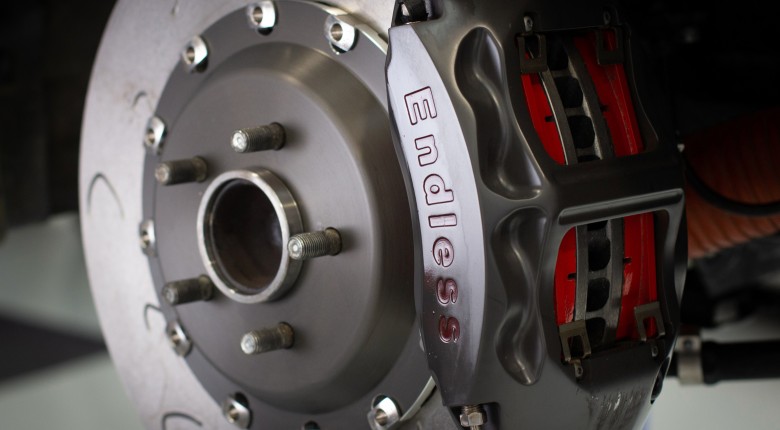
Temperature Rating 300-800°C. Friction Rating 0.30-0.35µ. If you've ever seen figures like this listed next to your brake pad options and had no idea what they mean, that's all about to change.
Choosing the right brake pad compound is one of the most overlooked areas of brake setup, and getting it wrong can cost you lap time or worse, brake performance when you need it most. In this lesson from the Brake System Design and Optimisation Course, you'll learn how to read and interpret compound data, understand the relationship between operating temperature and friction, and make the right pad selection for your specific application.
You'll cover hot and cold performance, initial bite characteristics, brake fade, the difference between street and race pad requirements, and how pad choice can even affect your brake bias.
This module is just ONE part of a comprehensive course on brake setup and optimisation. Use the link and coupon code above to receive a discount.
------------------------------------
TIME STAMPS:
0:00 - So Many Options!
0:48 - Why Are Some Compounds Bad?
1:16 - Brake Disc Material
1:51 - What You Need To Know
2:14 - Street Car Pads
2:21 - Endurance Race Car
2:40 - Compound Comparisons
3:23 - Understanding The Operating Temperature Range
4:05 - High Friction vs Low Temperature Compounds
5:01 - Measuring Brake Temperatures
5:21 - Reading Manufacturer Compound Plots
5:41 - Brake Dynamometer Testing
6:09 - Cold Performance and Initial Bite
7:19 - Brake Fade Explained
7:44 - Diagnosing Pad Issues With Data
8:42 - When To Talk To Your Supplier
9:11 - Using Pad Compounds To Adjust Brake Bias
10:49 - Recap and Key Takeaways