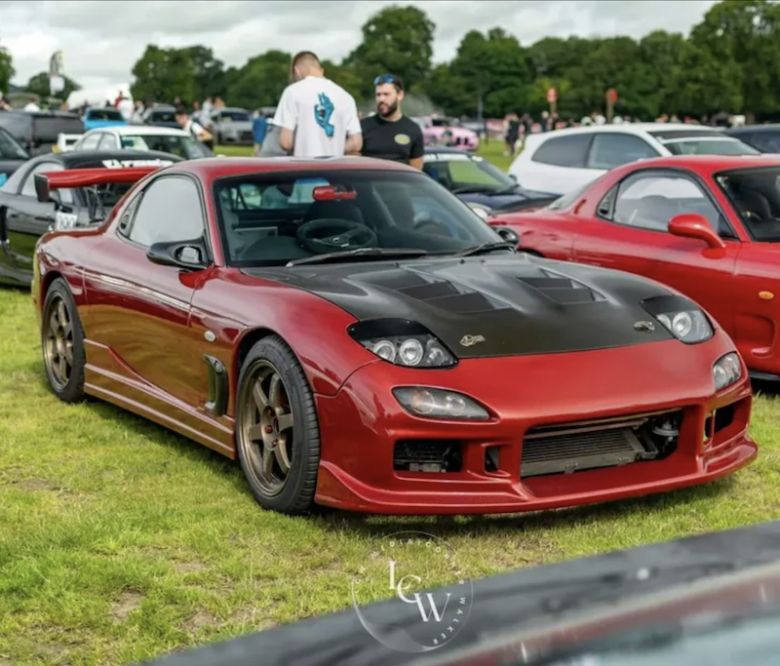
For HPA member Ryan Anderson, converting his Mazda RX-7’s 13B to a single-turbo setup was the push he needed to finally learn how to tune himself.
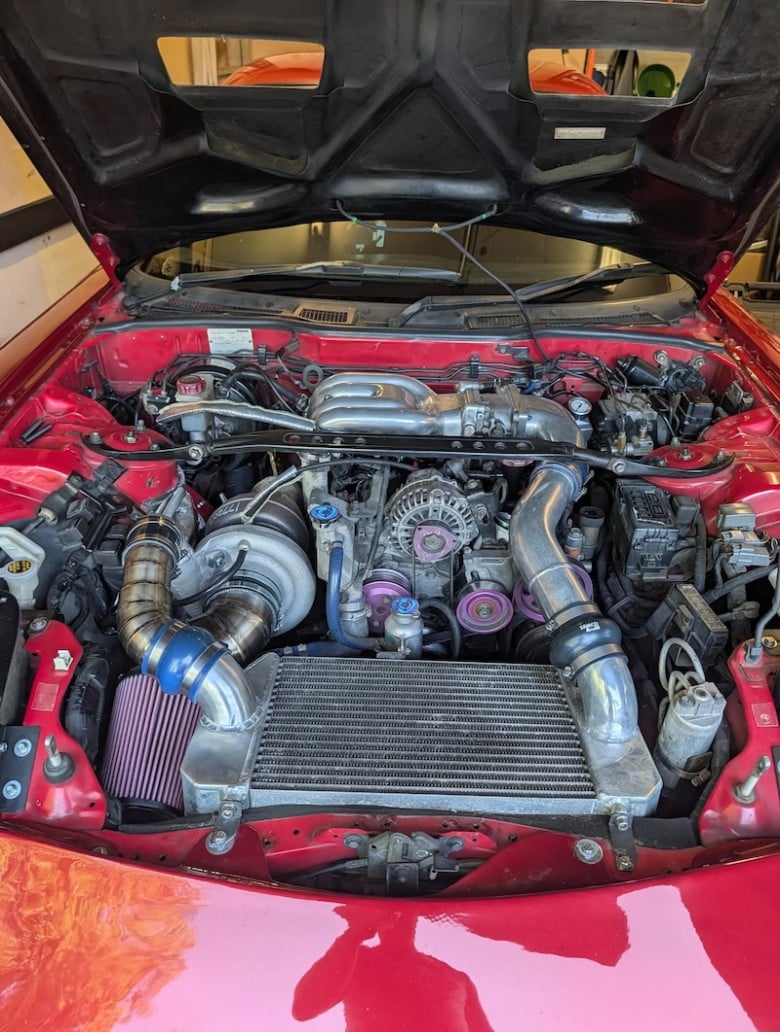
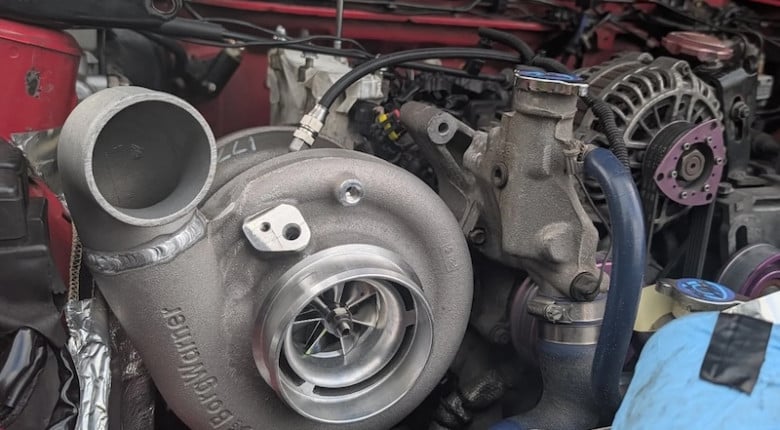
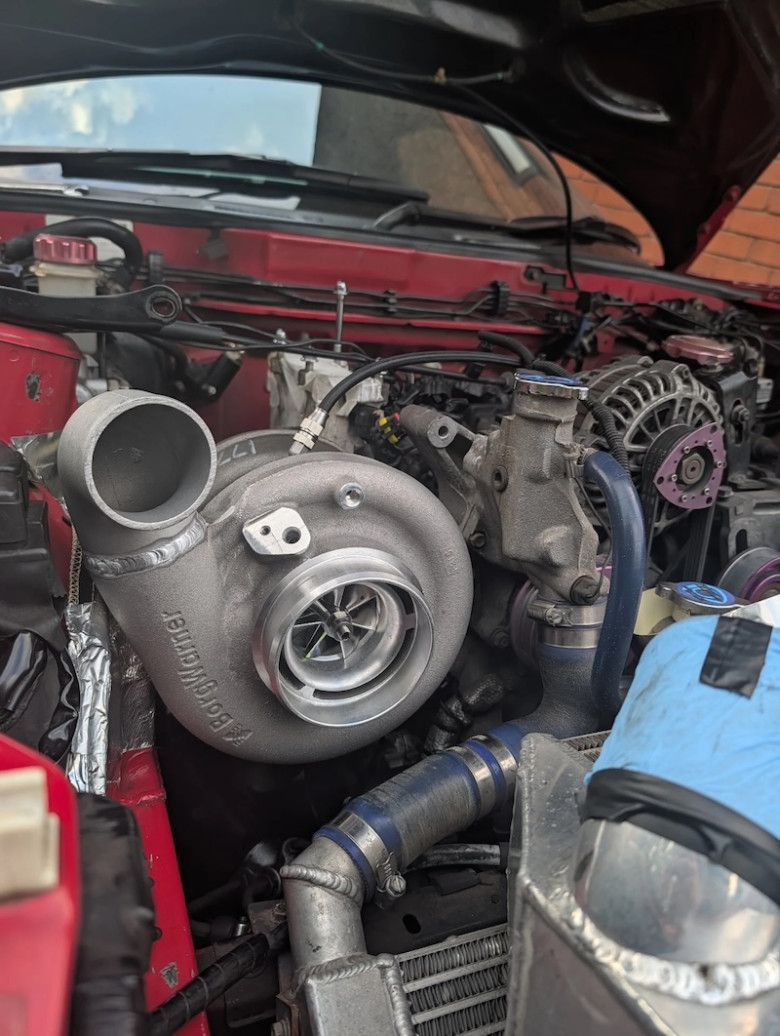
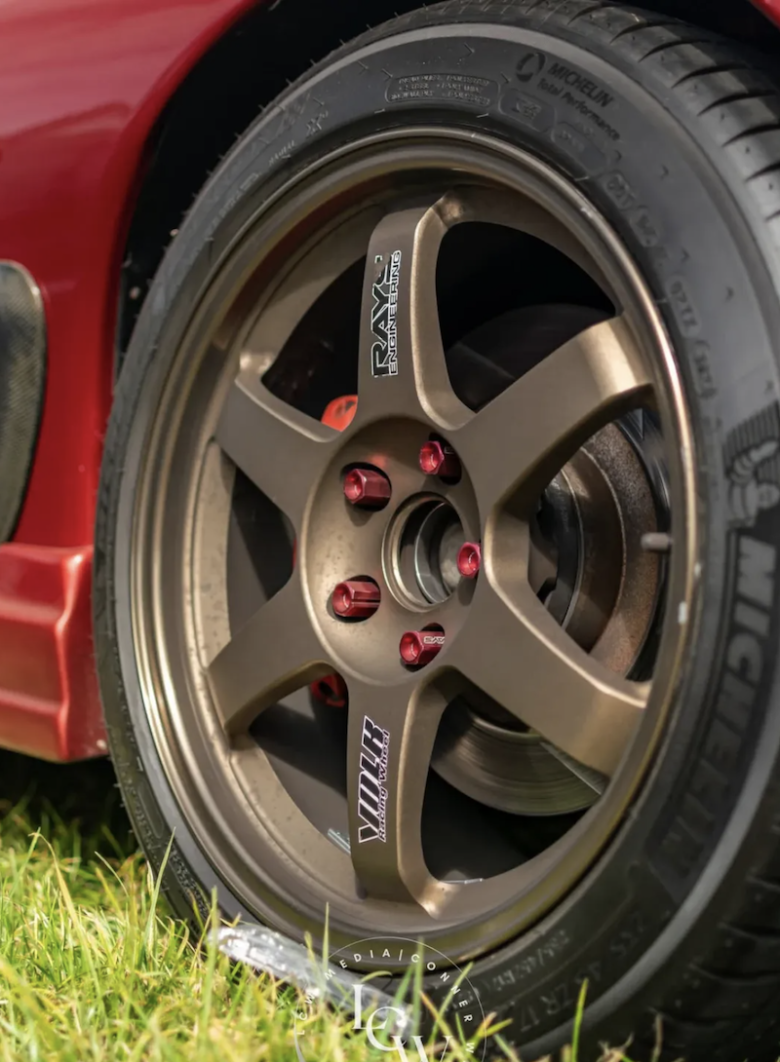
Originally imported from Japan to the UK with a modified 13B twin-turbo setup, the RX-7 first received a general tidy-up and a professionally tuned Link G4X ECU. Ryan was comfortable opening up the laptop to make small changes to things like fuel cut and oil-pressure safeties, but fuel and ignition maps were a different story. That changed after fitting a BorgWarner S362 SX-E single-turbo kit, a single wastegate, and a 3.5-inch downpipe. With the installation completed at home, Ryan initially went on the hunt for a good tuner, but soon came to the conclusion that figuring it out himself was going to be the cheaper and much more satisfying option.
“The best part, in my eyes, of a build is in the tuning, where you see everything come together,” says Ryan.
Having followed HPA for a few years now, Ryan purchased a tuning course and worked through it before touching his laptop. The existing twin-turbo calibration provided a starting point, and reviewing old logs with his newfound knowledge showed inconsistent fuelling that had previously just been numbers on a screen.
After a few teething issues were resolved, attention turned to tuning. With his brother driving, Ryan used logging and Link’s Quick Tune function to work through the tune.
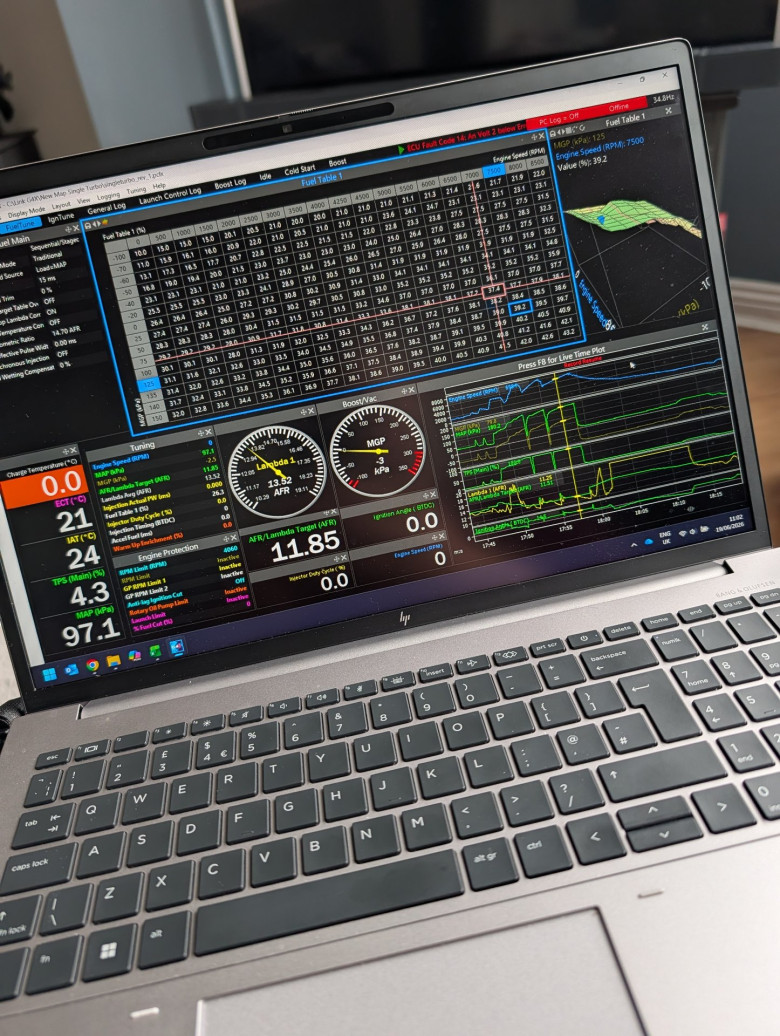
Ryan admits that it was nerve-racking at first, but confidence grew as the process became more familiar. By the end of that first evening, cruise fuelling and some low-boost areas up to 5,000 rpm had been addressed. As the calibration progressed, attention turned to launch control and flat shifting.
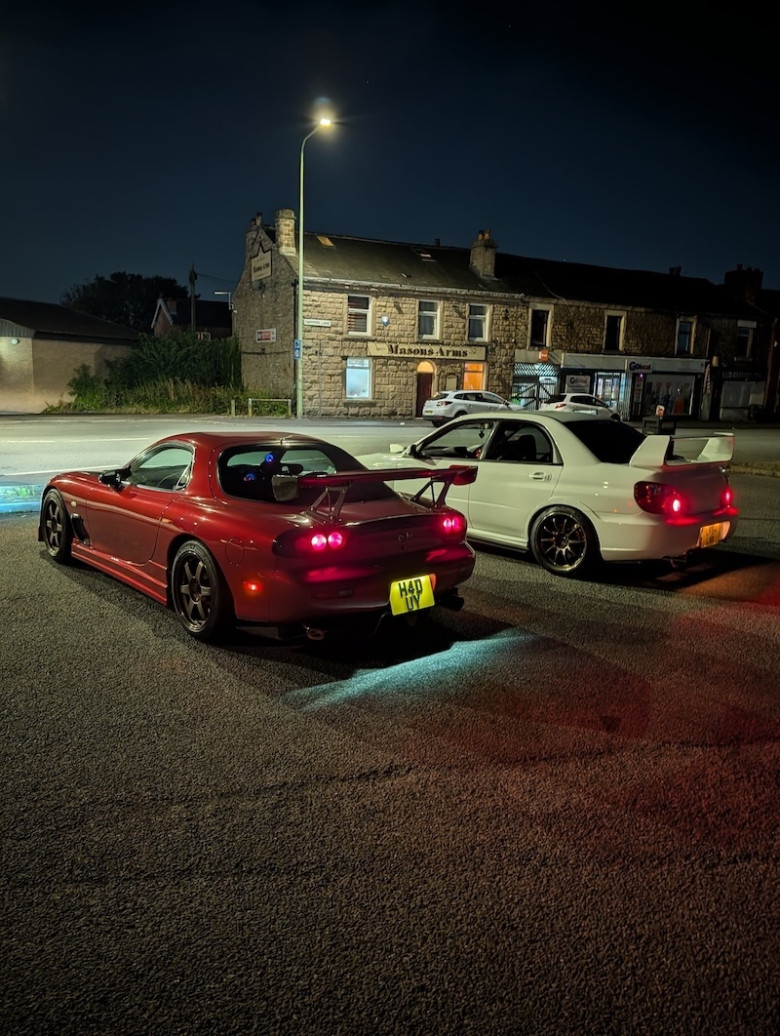
Despite the BorgWarner being considerably larger than the original twins, Ryan only noticed a little extra lag in normal driving. The first launch test backed up that impression, producing a 2.02-second 60-foot time on street tyres. Flat shifting also proved effective, helping the turbo retain boost during a third-to-fourth gear change and recover quickly afterwards.
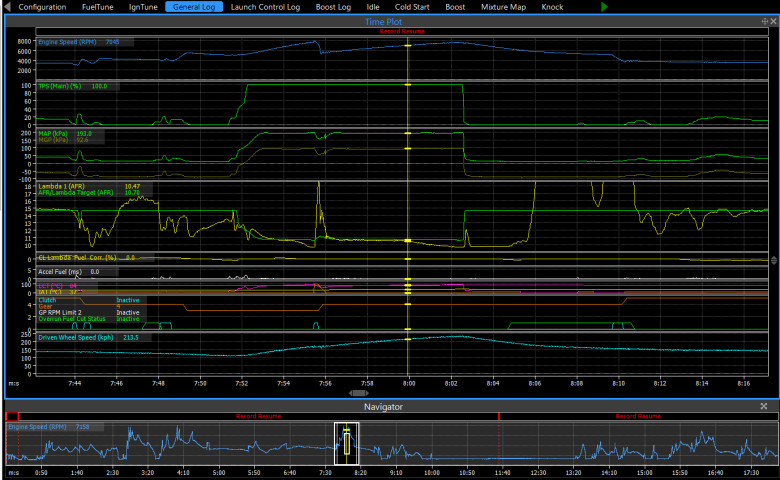
Further testing also exposed excessively rich fuelling above 7,000 rpm, where the engine began to break up. By reviewing the logs, Ryan was able to identify the problem and progressively adjust those areas of the fuel map, with more testing showing a big improvement.
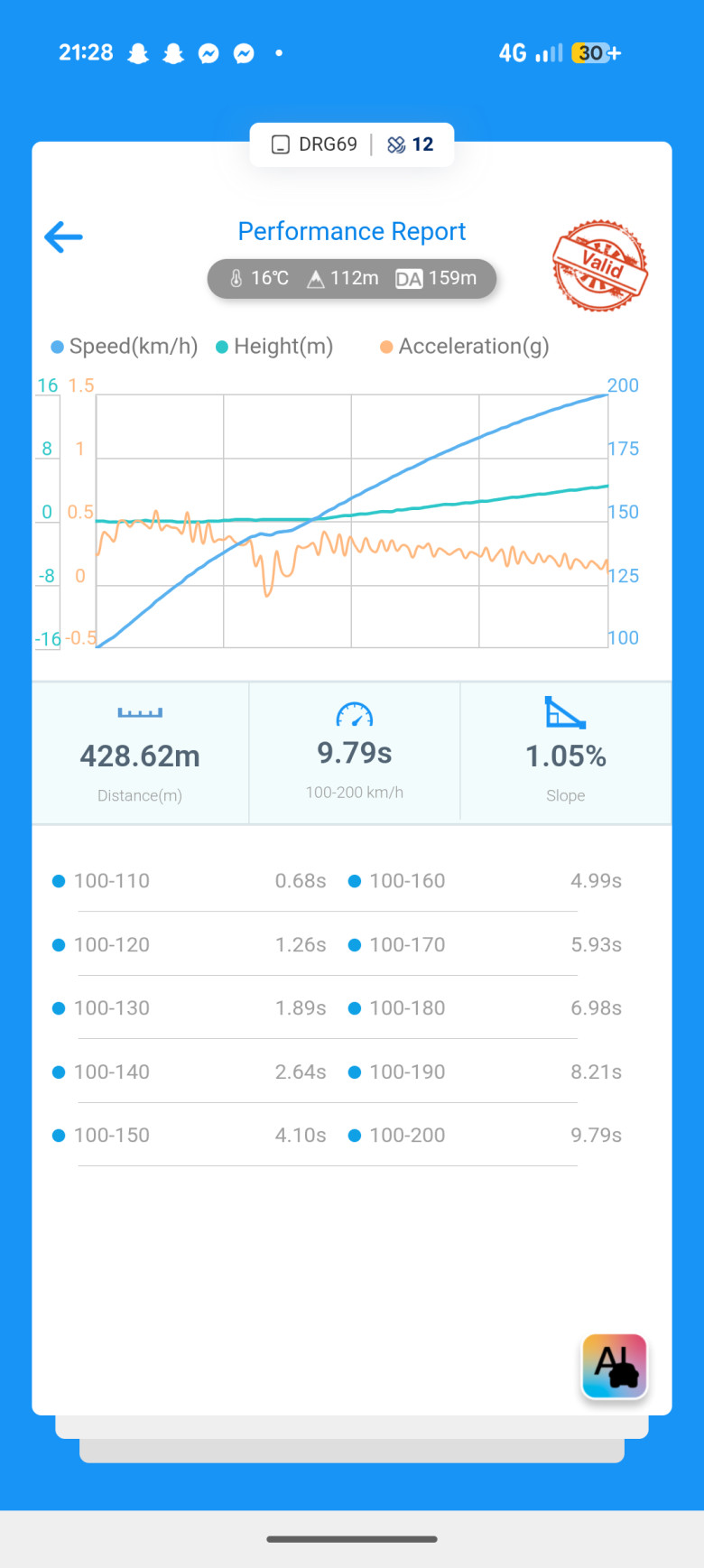
Ryan’s Mazda is still a work in progress, but each new logging and tuning session offers another opportunity to better understand the car, refine the calibration, and go even faster.
If you’d like to get more details about Ryan’s RX-7, check out his HPA build page.