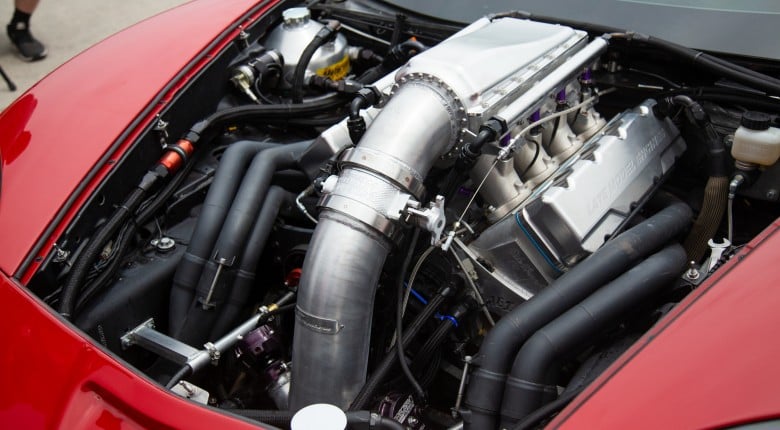
More boost. More power. More of everything a turbocharged engine promises. Getting there safely and repeatably is where most tuners come unstuck, not because turbo tuning is impossibly complex, but because they are not prepared with a clear process to follow. Having covered the fundamentals in a previous article, here are what we consider six key steps you can use to take a turbocharged engine from base configuration through to full power.
In this article:
Step 1 - Base Boost Pressure
Step 2 - Steady State Tuning
Step 3 - Conservative Ramp Runs
Step 4 - Extrapolation
Step 5 - All The Boost (or at least most!)
Step 6 - Interpolation
Step 1 - Base Boost Pressures
Before you get started with tuning, let's go through two settings you need to configure to make sure that you don't end up damaging your expensive engine.
1.) Boost pressure minimum
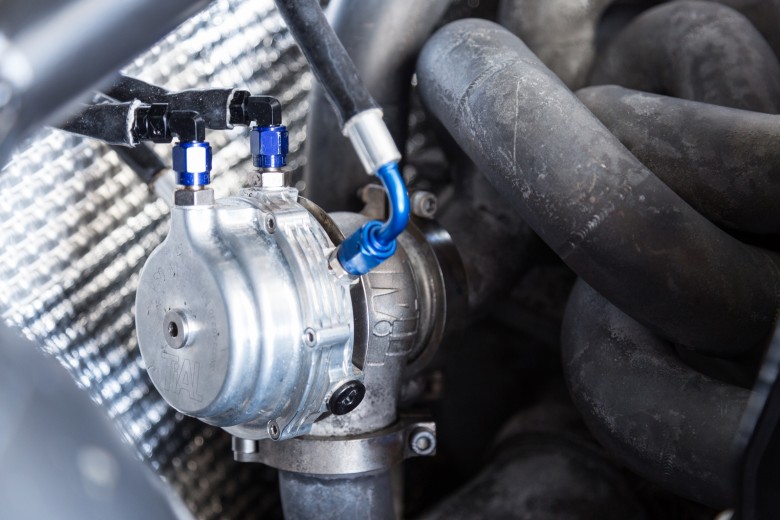
Regardless of how you're controlling boost pressure, for the first few runs on the dyno, you want to make sure you are seeing the minimum boost pressure the engine can produce. Once everything is tuned there, you can start increasing the boost pressure and consequently the load on the engine. Running on wastegate spring pressure alone will give you a good idea of the base boost pressure. In order to get down to this minimum, you can physically disconnect the boost control solenoid if running electric control or set the boost control tables in your ECU to zero.
2.) Boost pressure limit
This needs to be particularly sensible if you are dealing with a car you've never seen before in order to protect your engine and lessen the likelihood of damage.
Step 2 - Steady State Tuning
With the exception of your targeted AFRs being different, this is exactly the same process you would go through on a naturally aspirated engine. Another reason why tuning a turbocharged engine should not scare you off!
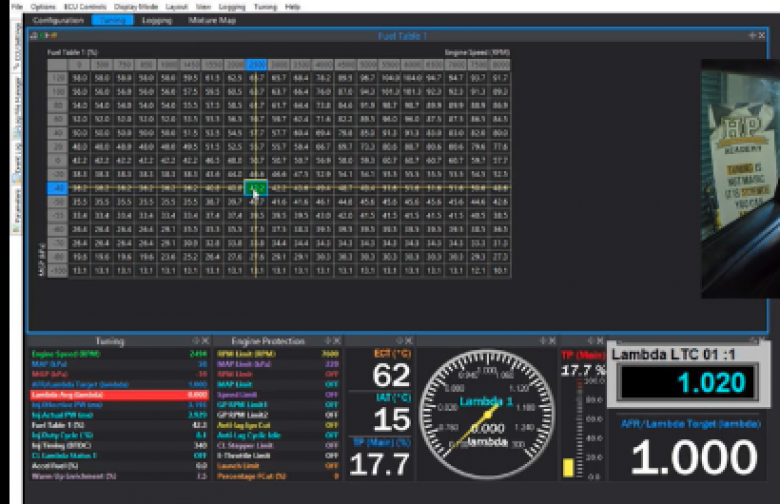
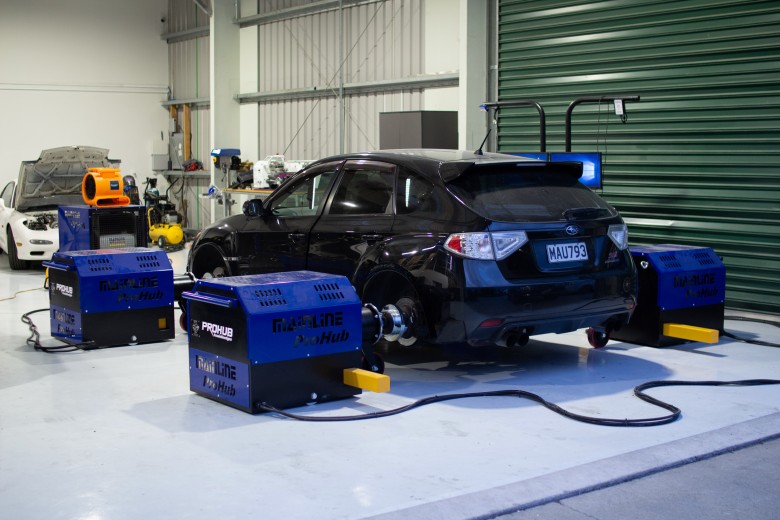
To start with, get the car running to 2500 RPM so positive boost pressure can be reached. As you can see above, our engine is at -40kPa and just marginally leaner than the target of lambda 1, at around 1.02.
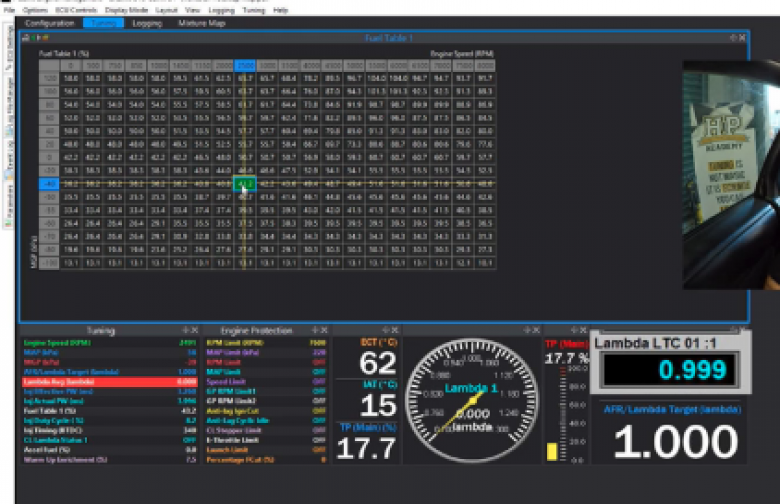
No different to if you were tuning a naturally aspirated engine, you will now just add a small amount to that cell in the table. As you can see above, this now puts us right on target.
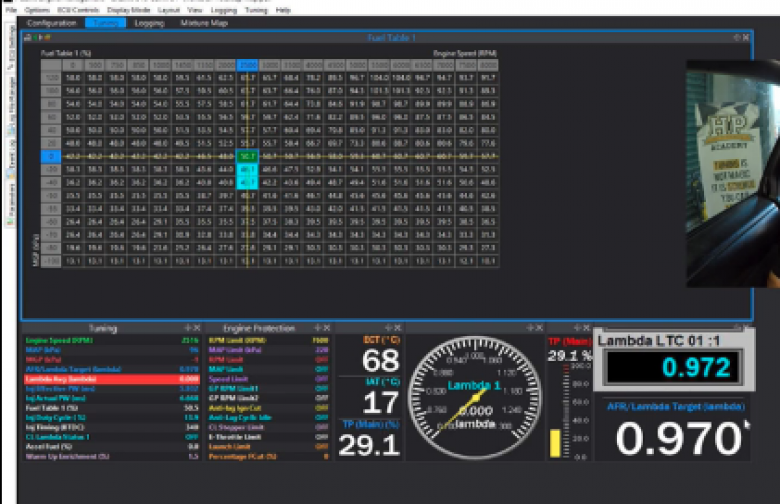
You would now increase the throttle and move up to -20kPa and repeat this process followed by moving to 0 kPa/100kPa atmospheric pressure. It is important to note that if you were tuning a naturally aspirated engine, at this point, you would be at wide open throttle and probably targeting around 0.89 lambda. As above, the same has been achieved on this turbocharged engine at only 29% throttle. This means the amount of fuel and air being combusted is not that great and is why the lambda target being used is quite a bit leaner than would be used on a naturally aspirated engine.
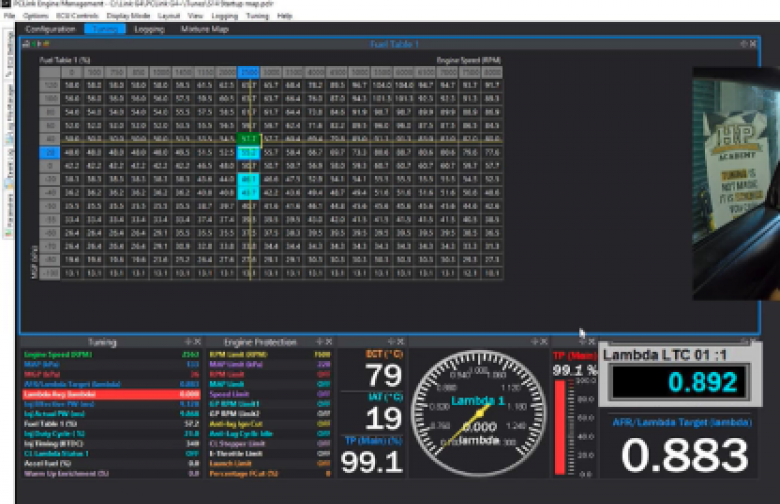
Moving up through 20kPa to 40kPa, you are now at wide open throttle and have arrived at that dreaded part of the map that a lot of tuners are scared of. At this point, we are producing 240 newton metres, 43 kilowatts of power which isn't a huge amount. If you don't have conservative numbers in the fuel table, this is the point where you would also be monitoring for knock.
The ignition tuning is exactly the same process as we have just run through. The only difference of course being that you will be using the torque plot as opposed to AFR.
Step 3 - Conservative Ramp Runs
Once you've tuned in steady state out to around two thirds of your engine's rev limiter, it's time to move onto ramp runs. As a safety measure here it's always a good idea to add a bit of extra fuel and remove a bit of timing from the wide open throttle operating areas, so you can creep up on your tune. Better to be this way rather than too lean and over advanced.
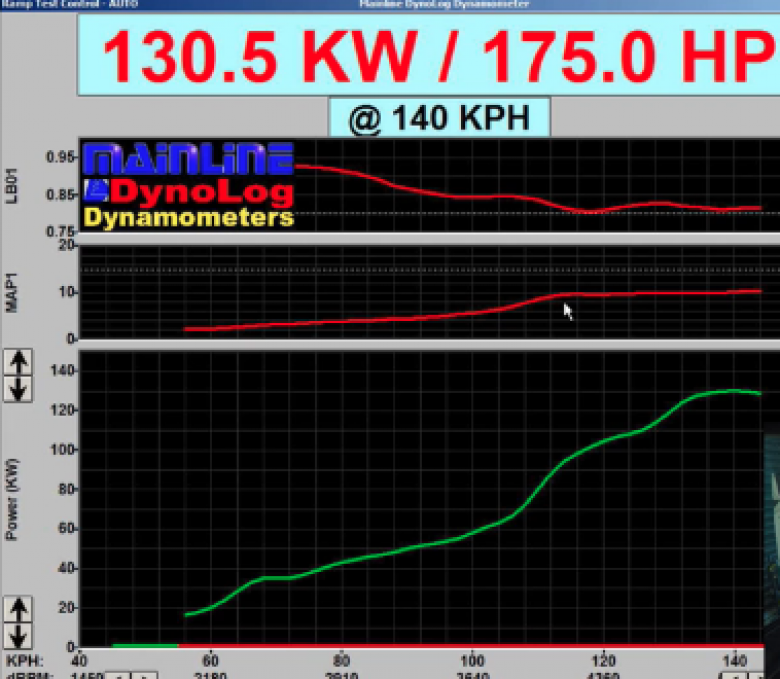
Above you can see a ramp run out to 5000 RPM. The top graph is your lambda plot, below that is boost pressure and then power at the bottom. You can see that as the boost increases, the measured lambda starts to richen. Then at 10 psi when the wastegate spring pressure was hit, the lambda target was met. Using this data, you would then go through and adjust your fueling, followed by your ignition timing.
Step 4 - Extrapolation
By having a look at the trends on your fuel and ignition tables, you can copy those trends out into the untuned areas.
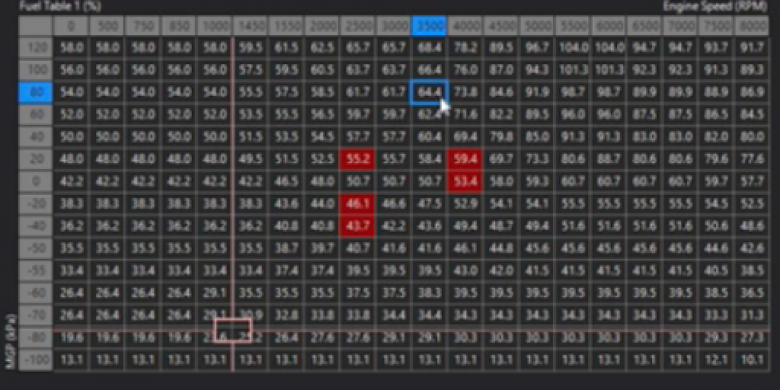
For example, above in our fuel table we have a value at 40 kPa of 60.4%, at 60 kPa of 62.4% and at 80 kPa of 64.4%. Although this is as far as was tuned under steady state conditions, it is likely you will end up running possibly as high as 140 kPa. You can continue this trend by adding 2% of fuel per 20 kPa. Of course this won't be 100% accurate. For example, as you increase the boost pressure beyond the happy operating point of the turbocharger, the figures will start dropping off. However, as you now know, it is better to be too rich than too lean. The exact same process then applies to your ignition table.

Step 5 - All The Boost
For this part of the process, you want to be making small adjustments. Having your tables set up in 20 kPa increments is best. Here, you're going to be fine tuning the values that you extrapolated in the previous step. The benefit that the previous step gives you here, is that your values should already be close. This means that you are less likely to do damage to the engine and also that less time will need to be spent on the dyno, saving you time and possibly money if you are renting dyno time.
Something to keep in mind here is that there is the potential for you to go around in circles. You add boost and end up with more detonation occurring due to the increasing combustion chamber temperature and then have to retard the timing. This circle of adding boost and retarding timing ends up putting a large amount of stress on the engine without giving you any extra power. Given that there are minimal amounts of power to be gained from this point, it is best to cut your losses and leave the maximum boost pressure set to this point.
There are a couple of things you can do in order to safeguard your engine. Say you are expecting to run a maximum boost pressure of 180 kPa. It is possible that when you come into a gear and onto the throttle, that you briefly jump to the 200 kPa row but you wouldn't expect to reach 220 kPa. Here, you can retard the timing. This way, not only will you have your boost pressure limit protecting the engine, you will also have the retarded timing so you're less likely to experience detonation.
Step 6 - Interpolation
This is a step that you will only need to do if you are running very high boost pressure such as in the below graph. Under steady state conditions, you would be operating in the circled area. The problem with very high boost is that when you're sitting at the 150 kPa mark and apply throttle, the boost will rapidly rise up to perhaps 260 kPa which makes it all but impossible to operate in steady state in this area.
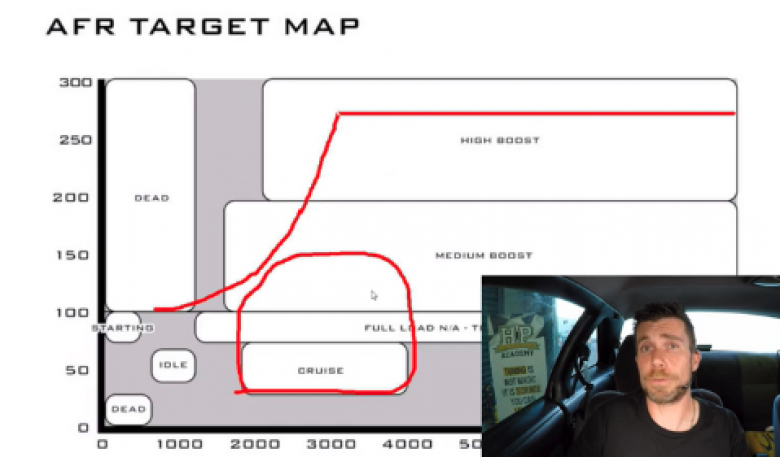
In order to overcome this issue, once you have tuned in steady state up to around 160 kPa, you can complete small ramp runs starting from perhaps 1500 RPM to 2500 RPM and then increase by 500 RPM each time. Keep doing this until you are all the way through the rev range. This way, you will get an idea of what is going to happen in the untuned area. You will then have your engine tuned broadly at wide open throttle and also under steady state conditions at lower boost along with the area in between which is untuned. With this information, you can interpolate between the two areas. Problem solved!
As you can see, tuning a turbocharged engine is really nothing to be scared of when you ensure you are prepared and approach it with some care. If you want to learn more and have any EFI tuning questions you have answered live, claim your spot at HPA's next free Introduction to EFI tuning lesson.