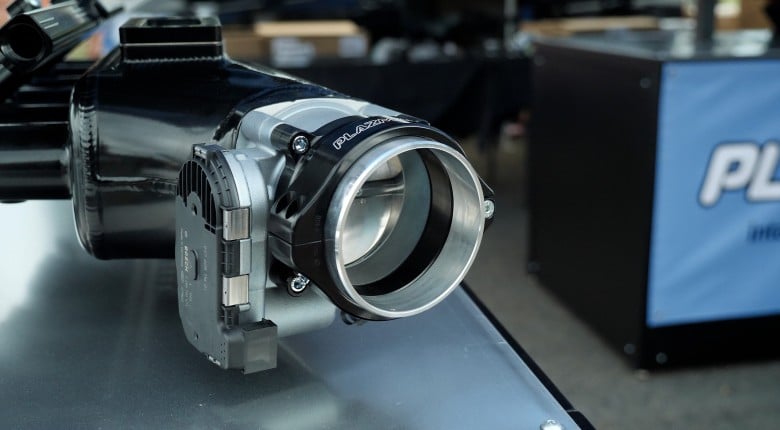
There's no doubt that drive-by-wire throttle bodies are better than their cable counterparts which is why they have become commonplace in race cars in recent years. While this technology is now very refined and well understood, it's not without its own issues that can still arise when these systems are exposed to the high levels of vibration found in motorsport environments.
In this article: What Is Drive By Wire? | How Vibration Causes DBW Faults | ECU Safety Strategy and Throttle Closure | Isolating the Throttle Body from Vibration | Summary
What Is Drive By Wire?
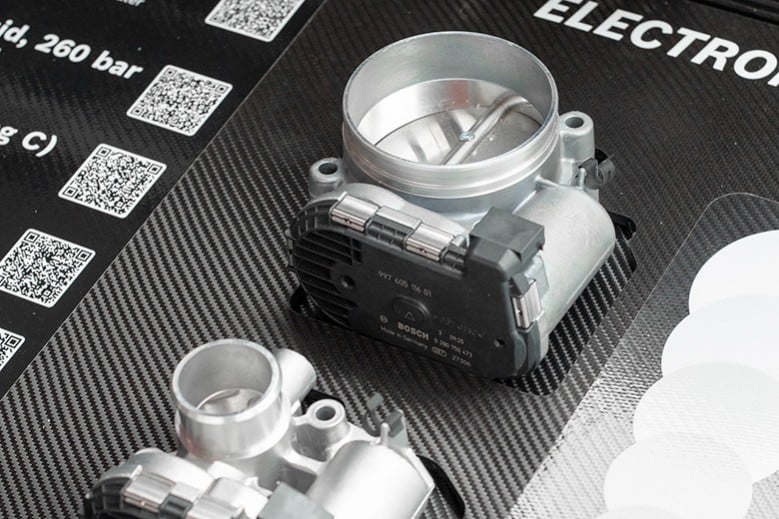
A drive-by-wire throttle is an electronic throttle system where the accelerator pedal isn't mechanically linked to the throttle body, removing the need for a cable.
Instead, sensors detect pedal input and send signals to the ECU, which then commands an electric motor to open or close the throttle. This allows more precise control, which provides a lot of benefits when it comes to tuning. It also enables features like traction control, cruise control, and the different drive modes we tend to see on nearly all modern vehicles.
In most applications, this system works flawlessly. However, race cars often operate in environments that are far more aggressive than factory conditions, particularly when it comes to vibration.
How Vibration Causes DBW Faults
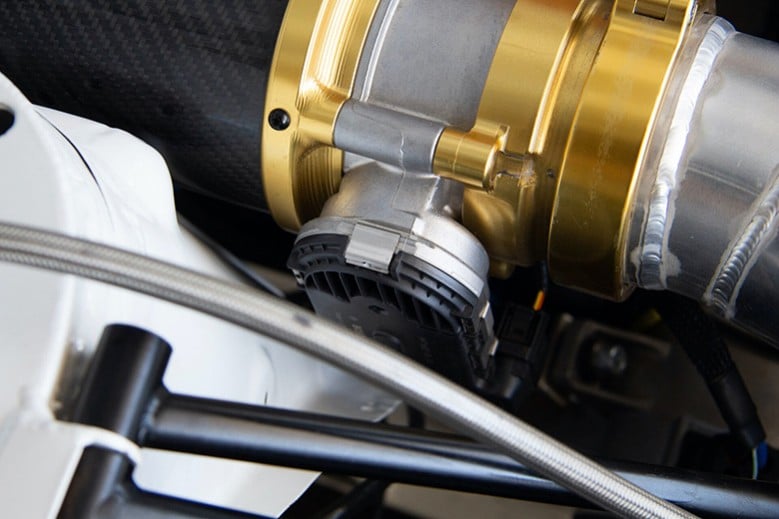
Problems can occur when the throttle body is exposed to excessive vibration. This is especially common when an engine is solid-mounted, or when very stiff polyurethene mounts are used instead of the softer factory-style rubber mounts.
When this vibration transfers into the throttlebody, the drive-by-wire system can struggle to follow its target position accurately, and if the throttle position deviates enough from what the ECU expects, we get a fault condition.
ECU Safety Strategy and Throttle Closure
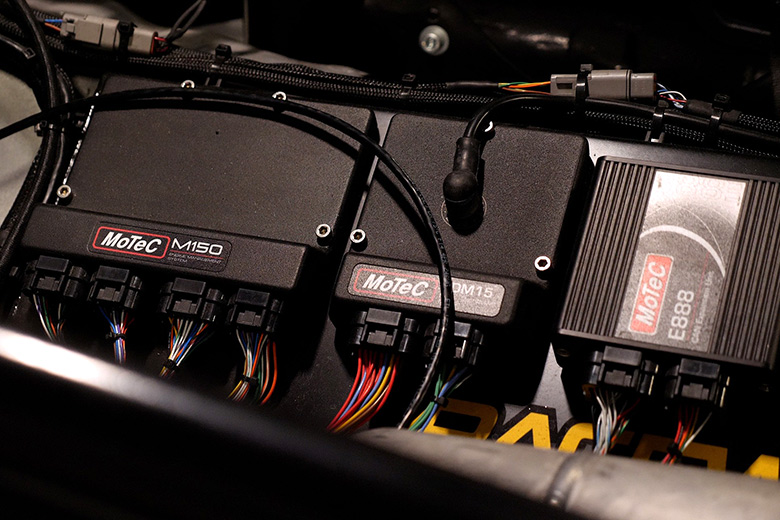
Modern ECUs use built-in safety strategies to monitor throttle position and ensure the system is operating correctly.
If the ECU detects that the throttle body isn't following its commanded target position, it'll typically enter a fault mode. As part of this safety response, the ECU will close the throttle, and of course, in a race environment, this spells the end of your on-track session.
Isolating the Throttle Body from Vibration
One effective way to address this issue is to install the throttle body in a way that isolates it from vibration.
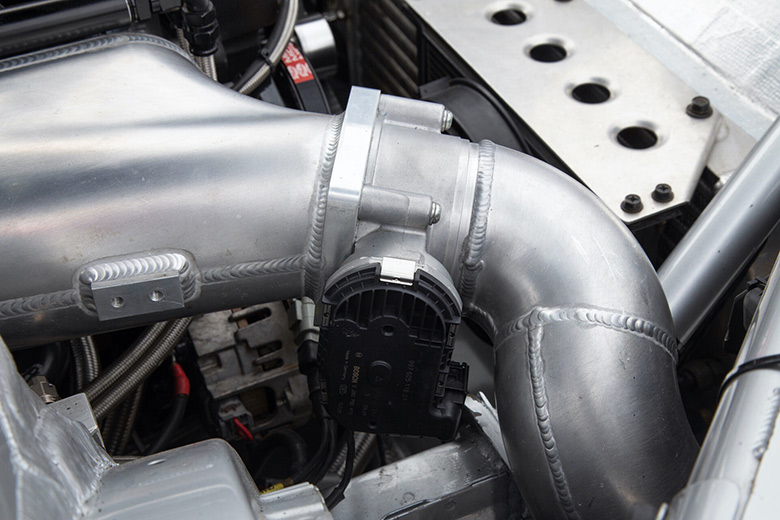
A practical solution and the one that we utilise on our racecars here at High Performance Academy is to use a Wiggins or Plazmaman-style clamp both before and after the throttle body. This means one clamp between the throttle body and the intercooler plumbing, which is common practice, and a second clamp between the throttle body and the inlet manifold or plenum chamber.
This configuration allows a small amount of controlled movement. That movement helps isolate vibration so it isn’t transferred directly into the throttle body housing, so by reducing the vibration reaching the throttle body, the likelihood of the ECU detecting a fault due to position tracking errors is significantly reduced.
Summary
Drive-by-wire throttle bodies are a refined and safe technology used in nearly all modern vehicles, both on the road and increasingly in motorsport, but they aren't foolproof. When exposed to excessive vibration, particularly in solid or stiffly-mounted engine setups, the throttle body may struggle to follow its target position. This can trigger the ECU’s safety strategy and result in throttle closure.
Isolating the throttle body using flexible clamp systems on both sides can help reduce vibration transfer and improve reliability in demanding race applications.
If you'd like to learn more about correctly setting up a drive-by-wire throttle body system, check out HPA's EFI Tuning courses.