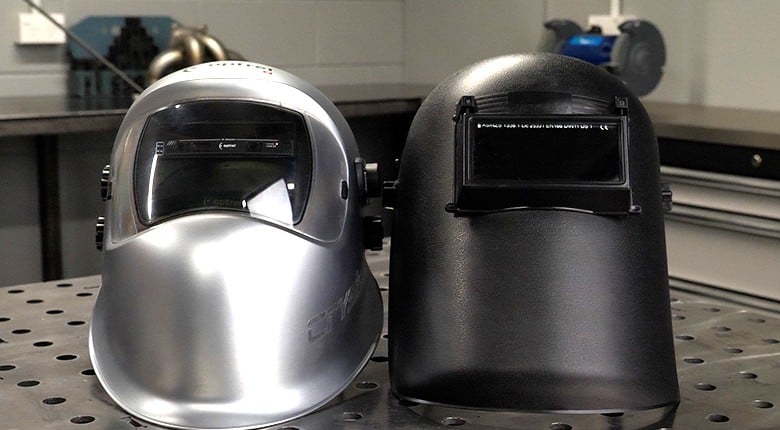
The first and most important piece of personal protection equipment in any welding environment is a welding mask.
A clear, unobstructed view of the weld is essential, and achieving that requires a quality helmet with the right features. The best weld is always the one you're comfortable performing, and that comfort begins with being able to see the weld pool clearly.
In this article: Why a Quality Welding Mask Matters | Do I Need a Different Helmet for MIG and TIG Welding? | Helmet Settings and Features | Helmet Comfort and Fit | UV Protection and Skin Safety | Respiratory Protection
Why a Quality Welding Mask Matters
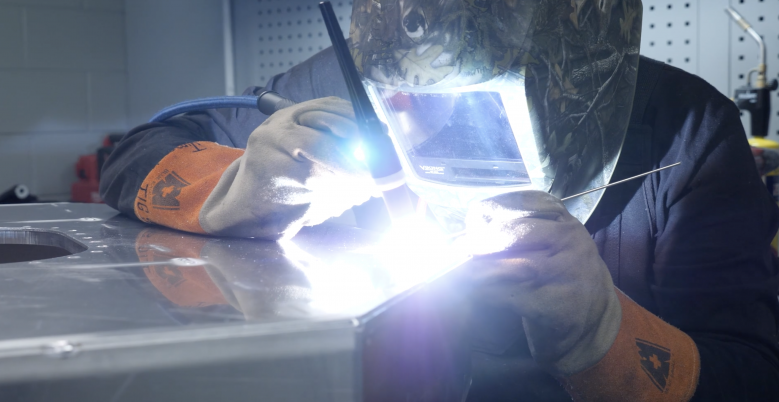
Welding produces an arc that emits radiation across a broad range of wavelengths, including ultraviolet, visible light, and infrared. Without proper filtering, this radiation can quickly cause arc flash, a painful condition where the membrane at the front of the eye becomes inflamed. Even a few seconds of unprotected exposure can create discomfort that feels like sand in the eye, while longer exposure can cause severe pain.
To protect against these hazards, you need an auto-darkening helmet. These use battery-powered sensors to detect the arc strike and instantly darken to a preset shade, shielding your eyes from UV and infrared radiation.
Do I Need a Different Helmet for TIG and MIG Welding?
A common question we get here at HPA is whether separate helmets are required for TIG and MIG welding.
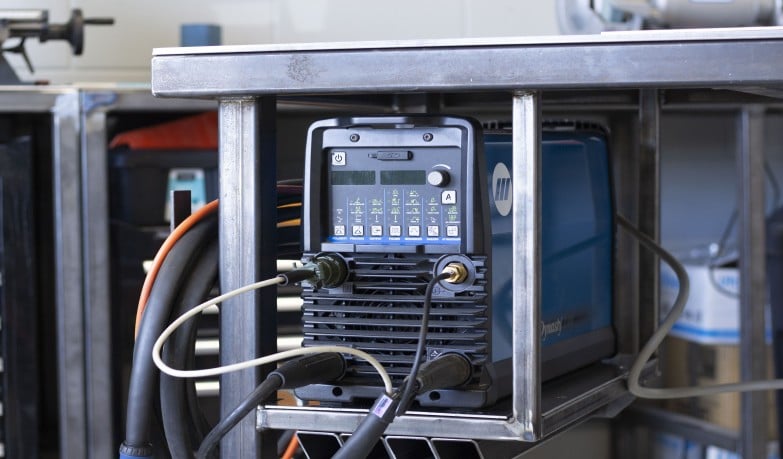
The good news is that a single quality auto-darkening helmet is suitable for both processes as long as it offers the right level of adjustment and sensitivity. TIG welding often uses very low amperage, which produces a softer arc that can be harder for cheaper helmets to detect. This means the helmet needs high sensor sensitivity and a shade range that allows you to see clearly before striking the arc, while still protecting your eyes the moment the weld begins.
MIG welding produces a brighter, more intense arc, so the helmet also needs a higher shade capability and a fast reaction time. Most modern auto-darkening helmets include these features as standard, making them versatile enough to handle both TIG and MIG safely. A variable shade range, adjustable sensitivity, and a reliable delay function all help ensure the helmet responds correctly, regardless of the process you're using.
The truth is, comfort and clarity are just as important as the technical features. If a helmet fits well, offers a clear view of the weld and reacts consistently, there's no need to buy a separate one for each welding method. At HPA, we use a single, high-quality auto-darkening helmet that's more than capable of handling all the TIG and MIG work we deal with for any motorsport work.
Helmet Settings and Features
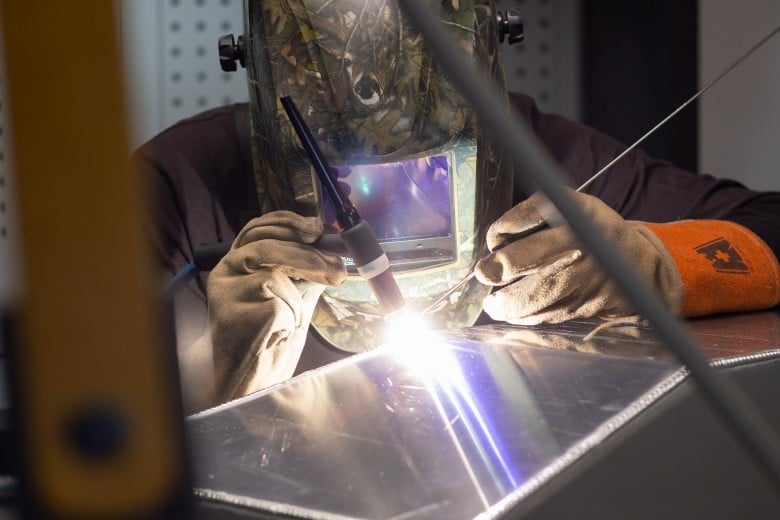
Auto-darkening helmets include a delay setting that determines how long the lens remains dark after the arc finishes. A longer delay is helpful for high-amperage welds where the weld pool remains bright. A shorter delay can speed up visibility when tacking or moving between welds.
Many helmets also feature a grinding or cutting mode that allows the mask to function as a face shield. While convenient, this reduces visibility when grinding and makes it harder to wear ear protection. Grinding can also damage the lens over time, so we don't recommend using the helmet for this purpose, and dedicated grinding PPE is a much better choice.
Helmet Protection, Comfort, and Fit
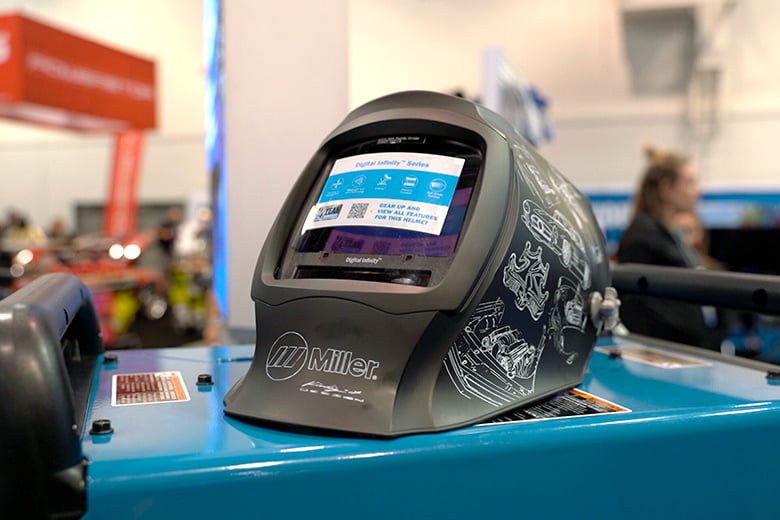
The shape of a helmet plays an important role in protecting your skin. The UV light produced by the arc flash will burn exposed skin very quickly, just like sunburn. A well-shaped helmet that protects your neck and ears is absolutely essential, even if it does make access to tight areas more difficult.
Comfort is just as important. Welding often involves long sessions (especially TIG), so a helmet that fits well and adjusts correctly will help you focus on the weld instead of any discomfort you might be feeling.
Price doesn't always equal quality, so it's worth trying multiple helmets before choosing one. Most helmets also include a spare battery, which should be kept nearby because it always seems to run flat at the worst possible moment.
Respiratory Protection
While PPE discussions often focus on eye and skin safety, respiratory protection is equally important. Many of the components we weld in motorsport are painted, plated, or coated, and welding these surfaces can release harmful fumes, which can cause nausea, dizziness, and irritation of the throat, eyes, and nose.
The best way to minimise exposure is to clean and prepare the workpiece thoroughly before welding. Even with proper preparation, confined areas benefit from extraction fans or general airflow to disperse fumes. While it's impossible to eliminate all harmful gases, improving ventilation significantly reduces risk.
Respirators offer an additional level of protection beyond this. A basic respirator can be worn under a welding helmet, but for complete protection in confined areas, we recommend a powered air purifying system. These systems use a battery-operated fan and filter to supply clean, filtered air into the helmet.
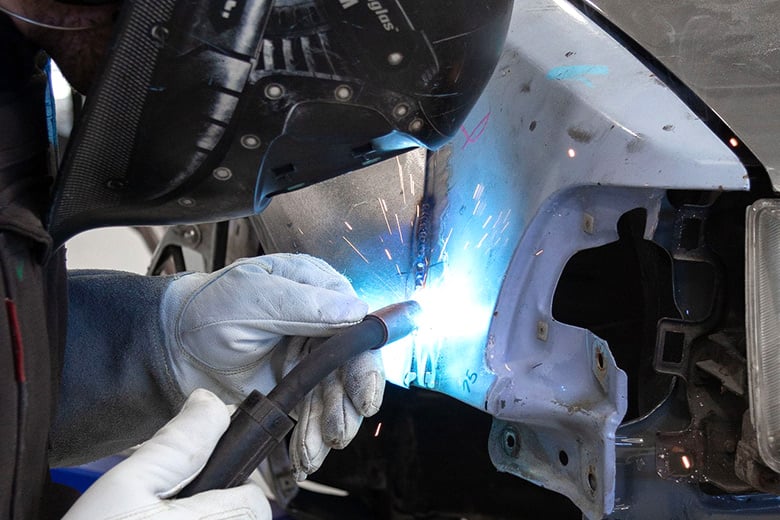
Choosing the right welding mask and respiratory PPE ensures comfort, visibility, and long-term safety, allowing you to weld with confidence and reduce the risks associated with welding in an automotive environment.