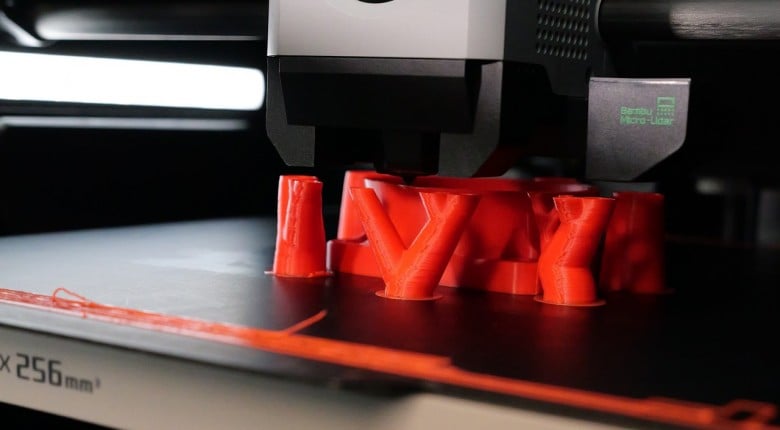
3D printing doesn’t come without its headaches, and while quality printers, good materials, and good preparation can make our lives easier, we can still expect to encounter issues.
This article won’t be an exhaustive list of every problem you might encounter with FDM 3D printing, but it covers some of the key issues in the process and shows you how to go about addressing them.
It’s also important to note that everything discussed here assumes your machine is in good condition, correctly maintained, and not damaged in any way.
In this article: Bed Adhesion Problems | Layer Adhesion Issues | Part Warpage and Uneven Cooling | Stringing, Oozing, and Moisture | Nozzle Clogging and Blockages | Summary
FDM Bed Adhesion Problems
Bed adhesion is maybe the most common struggle for FDM users. This is where the adhesion between the first layers and the bed is too weak, and either the first layers won’t lay down on the bed, or as the part builds up, it can become unstuck and be dragged around the bed by the hot end.
There are lots of potential causes for this, but the most common are temperature-related or a result of poor bed levelling.
If you’re having issues with bed adhesion and laying down the first layers, the first thing you should do is level the bed. We need to be confident that the bed is level before every print if we want consistent results.
On the temperature side of things, bed adhesion issues are often a result of the print bed being too cold, so check your settings against what the supplier recommends for your filament.
Some experimentation might also be required. Try increasing the bed temperature in small increments, typically around 5 to 10 degrees Celsius at a time, until the first layers are reliably sticking.
Past correcting the settings, it can help to use a PEI build plate designed specifically to promote adhesion, like we use here at HPA, or an adhesive such as a 3D printing glue stick.
FDM Layer Adhesion Issues
Like bed adhesion issues, we can also experience adhesion problems between each layer of the part, and some materials are more prone than others. For example, PLA is generally trouble-free, whereas something like ABS can be trickier.
This is mostly related to nozzle temperature, so again, check your hot end settings against the filament supplier’s recommendations. It’s also worth looking at your print speed, as sometimes slowing the print down slightly is enough to improve layer bonding.
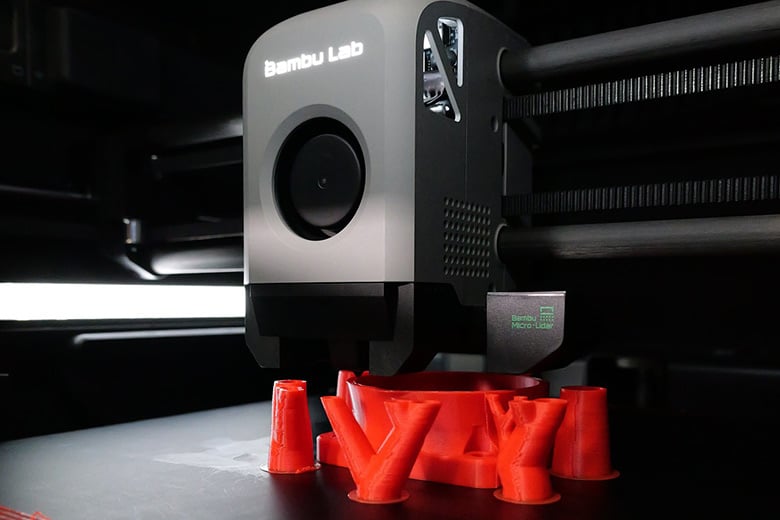
FDM Part Warpage and Uneven Cooling
Bed adhesion and layer adhesion issues are closely related to part warpage. Warpage is caused by uneven cooling, which leads to thermal stresses that deform the part. In simple terms, it creates stresses between each layer and the print bed.
We don’t want the part to cool too fast, but there’s a balancing act here because it still needs to cool enough to solidify as we build up the structure.
This balance is mostly achieved through cooling fan speed and enclosure or ambient temperature. If the printer doesn’t have an enclosure, adding one or improving control over the ambient temperature are both good places to start.
Lower fan speeds and higher ambient temperatures will generally help minimise warpage, but if we go too far, then print quality will likely suffer, and we can end up with issues like stringing and oozing.
FDM Stringing, Oozing, and Moisture
Stringing and oozing are commonly the result of excessive nozzle temperature, print speeds, or flow rate settings. This is why getting print settings right is so important, and why the first step should be checking your settings against the filament supplier’s recommendations.
What can be tricky is determining whether poor print quality is caused by incorrect settings or moisture absorption in the filament.
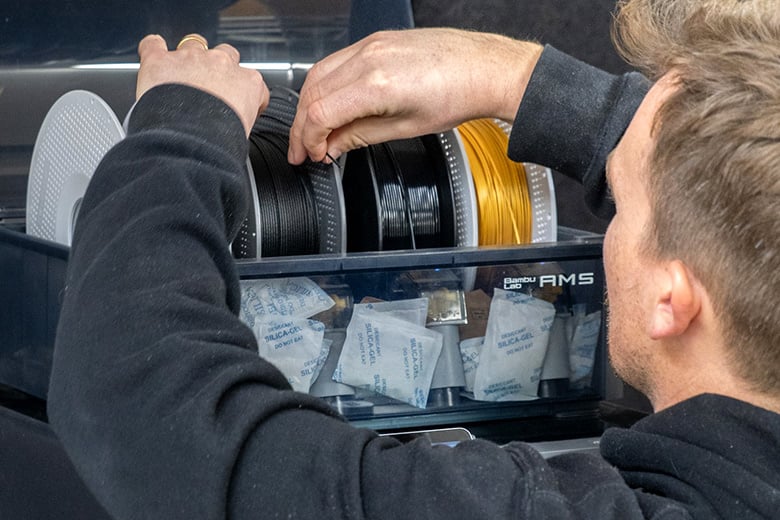
Keeping filament dry is a prerequisite to quality prints, and materials susceptible to moisture should be stored in sealed containers with desiccant and dried before use when necessary.
FDM Nozzle Clogging and Blockages
Blocked nozzles, also known as nozzle clogging, can be caused by inadequate nozzle temperatures, excessive flow rate settings, or simply not cleaning or replacing the nozzle at the intervals recommended by the printer manufacturer.
The other factor to consider here is printing carbon fibre reinforced filaments. These materials are extremely abrasive, and if we’re not using hardened nozzles designed for abrasive use, we can eventually run into wear-related issues and blockages.
Summary
- Many common FDM issues are linked and can be caused by incorrect temperature settings of the nozzle and print bed, as well as enclosure or ambient environment temperature and cooling fan speed.
- Bed adhesion issues are also commonly caused by poor bed levelling, which is why good setup and maintenance are a must if you want consistent results.
- Stringing and oozing can result from incorrect nozzle temperature, print speed, or flow rate settings, but they can also be caused by moisture in the filament. Dry filament is another prerequisite for good prints.
For settings, start by reviewing the filament supplier’s recommendations, then expect some experimentation to achieve the best results for your specific printer and material combination.
If you'd like to learn everything there is to know about 3D printing, especially when it comes to the automotive world, check out High Performance Academy's Practical 3D Printing course.