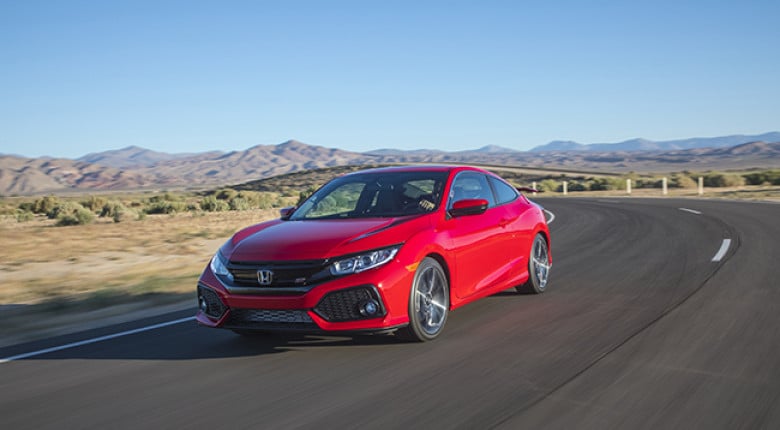
Want to turn up the boost and make more power from your 10th or 11th Gen Civic Si? This is the knowledge you need.
Honda’s 1.5-litre turbo Civic responds exceptionally well to tuning; you will get noticeable performance gains even from a basic FlashPro tune on an otherwise stock manual 10th-generation Civic, let alone something modified.
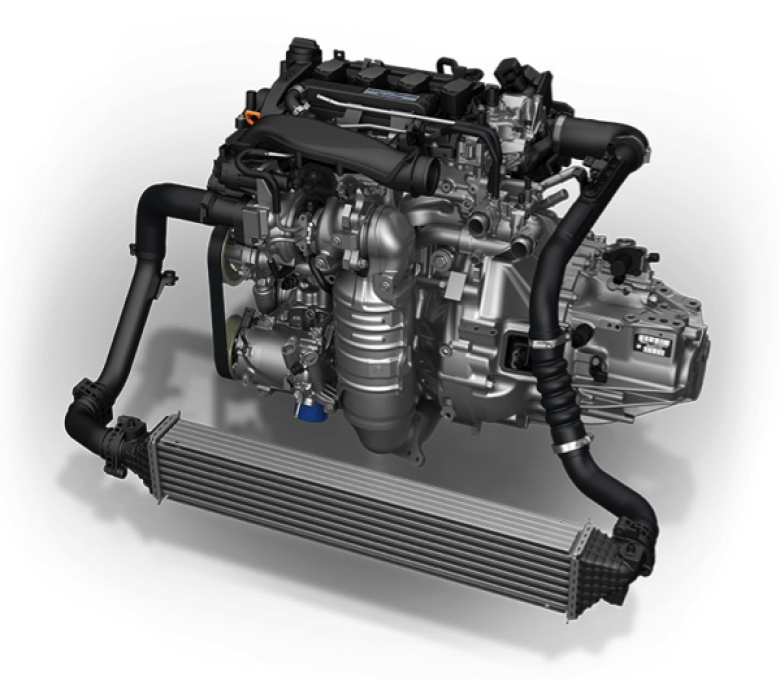
However, the Keihin ECU-controlled L15 engine was designed with economy in mind, and aggressively increasing low-RPM torque can put the factory connecting rods and pistons at risk. Your tune, or calibration, needs to deliver more performance across the rev range while keeping torque, fuelling, ignition timing and knock under control.
A Complete 10th-Gen Civic Si Tuning Example
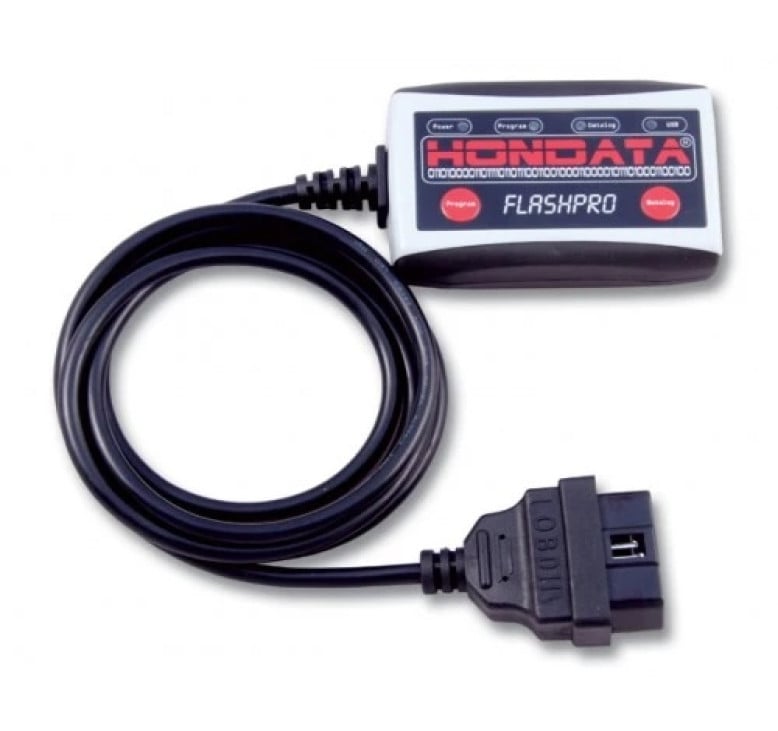
The Practical Reflash Tuning course contains a complete six-step worked example filmed on a stock 2017 10th-generation Honda Civic Si using Hondata FlashPro.
Rather than simply showing you which tables to change, you will learn what the data means, why each change is being made and how to determine whether the calibration is safe and complete.
The 6 Step Process
- Step 1: Downloading Stock ROM
Learn how to establish a safe starting point and select the correct Hondata base calibration. - Step 2: What Modifications Have Been Performed?
Identify the vehicle’s modifications and understand how they affect your calibration choices. - Step 3: Configure Base Tune File
Configure FlashPro Manager, the base calibration and data logger before tuning begins. - Step 4: MAF/Injector Scaling
Use logged fuel-trim data to correctly calibrate the MAF sensor and account for fuel-system changes. - Step 5: Optimising the Tune
Optimise ignition timing and performance on the dyno while monitoring fuelling and knock. - Step 6: Confirm Calibration on the Road
Check real-world drivability, fuel trims, fuelling and knock before considering the tune complete.
While this worked example is performed on a 10th-generation Honda Civic Si, the tuning knowledge and six-step process are also highly relevant to the 11th-generation Civic Si.
The exact tables, software options and available calibrations can differ between generations. However, the underlying process of selecting an appropriate calibration, analysing logged data, managing torque, monitoring knock and safely optimising the tune remains the same.
This is not a tune file for you to copy. It teaches you the process required to understand what the ECU and engine are doing, allowing you to make informed calibration changes on your own vehicle or a customer’s.
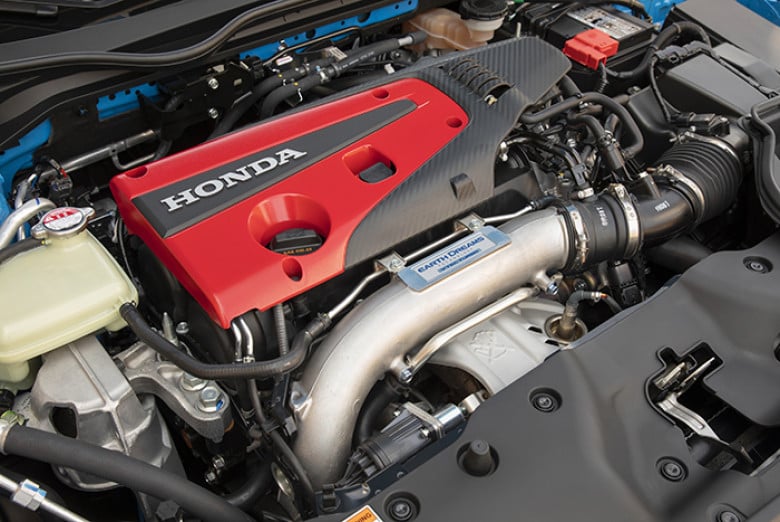
Own a Civic Type R?
The Bosch ECU-equipped FK2, FK8 and FL5 Civic Type R use the K20C engine and are covered in a separate Hondata FlashPro worked example dedicated to the Type R platform.
If you want to confidently tune a 10th or 11th-generation Civic Si using Hondata FlashPro, the Practical Reflash Tuning course gives you a proven, repeatable process to follow.
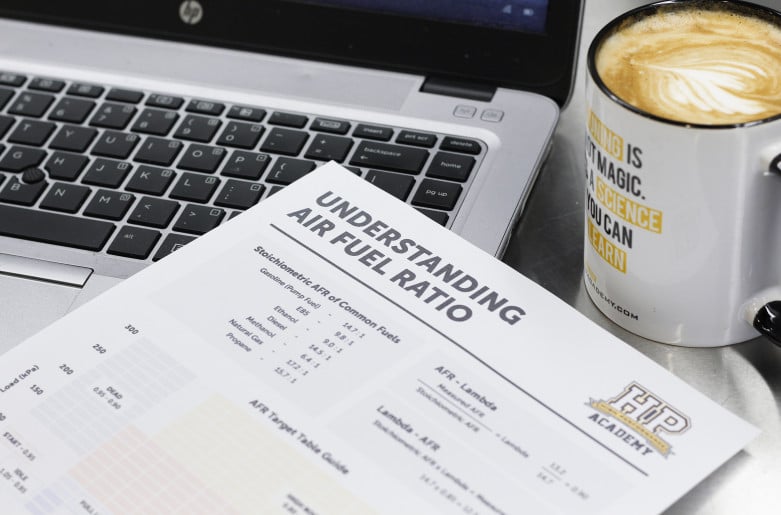
What to Check Before Tuning Your Honda Civic Si
You cannot 'tune away' issues, so make sure your Honda is in good condition and ready to go before you start the tuning process. It doesn't matter if you're road tuning or putting the car on a hub or roller dyno, this checklist applies.
- Fuel system – Check that the high-pressure pump and injectors can support your power target if modified; otherwise, just ensure you have plenty of fuel in the tank.
- Ignition – Inspect the spark plugs for wear, check the gaps and make sure the coils are securely connected.
- Engine health – Check oil and coolant levels and look for leaks. Use compression and leak-down tests if you’re unsure about the engine’s condition.
- Boost system – Check the charge pipes and intercooler connections for leaks, especially if anything has been changed.
- Electrical system – Check the battery, charging system and earth connections before flashing the ECU.
- Mechanical checks – Check for clutch slip and exhaust leaks, and make sure the tyres and brakes are in good condition.
- Final checks – If possible, scan for fault codes and make sure to fix any underlying issues before starting. Tuning will make any existing issues much worse.
For more detail on each step, check out HPA's full pre-tuning checklist.
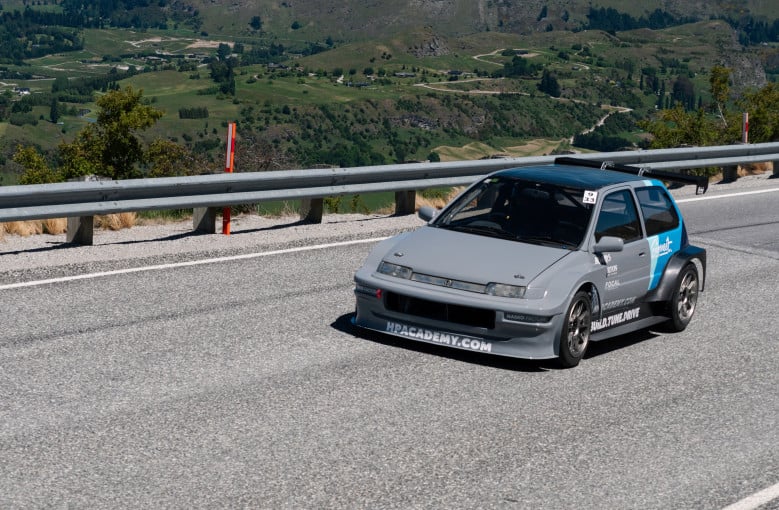
What about Hondata S300 or KPro?
There is also a Honda KPro example included in the course material. This will also help you learn how to tune using the Hondata S300 platform, it just has a bit of extra detail around the VTEC/cam control setup, which you won't need for S300 generation applications.