Forget what you know about air-fuel ratios (AFR) and your petrol engine tuning; diesel tuning is completely different. Or is it?
If you’re coming from a petrol tuning background, some of the fundamentals of diesel tuning can seem completely backwards.
- Boost doesn’t make power, fuel does. Extra boost only helps if you add fuel to use it.
- Lean isn’t the enemy. Diesels (nearly) always run lean. It’s too much fuel for the available air that drives up EGTs and smoke.
- Fuel is the throttle. A diesel controls torque mainly by how much fuel it injects, not by restricting airflow.
As HPA tutor Nick Priegnitz puts it during this Tuned In Podcast episode:
“I can always tell when a gas guy is new to diesel tuning because he uses the word lean.”
So what makes diesel tuning so different?
Petrol Controls Air, Diesel Controls Fuel
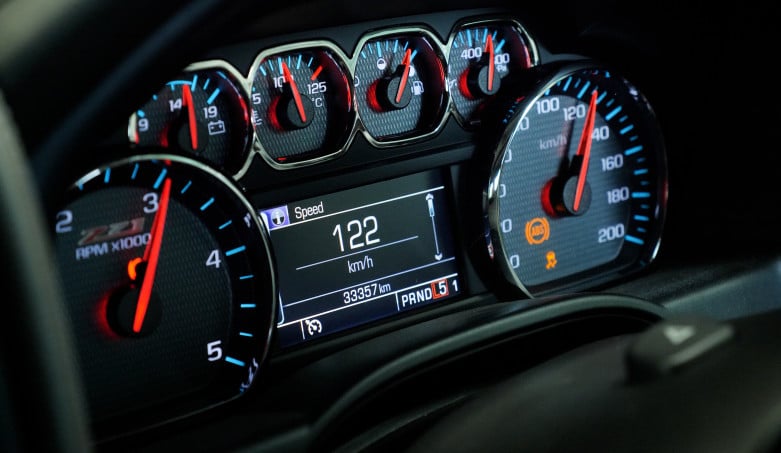
In a gasoline (aka petrol, pump gas, dame más gasolina)- fed 4-stroke internal combustion engine, and I say engine for fear of hate mail for calling it a motor, the amount of torque produced is controlled primarily by the amount of air entering the engine. Open the throttle, airflow increases, the ECU adds the appropriate amount of fuel, and torque increases. The air-fuel ratio must stay within a relatively narrow range for the engine to run correctly.
Want less torque? Let less air in.
Want more torque? Let more air in.
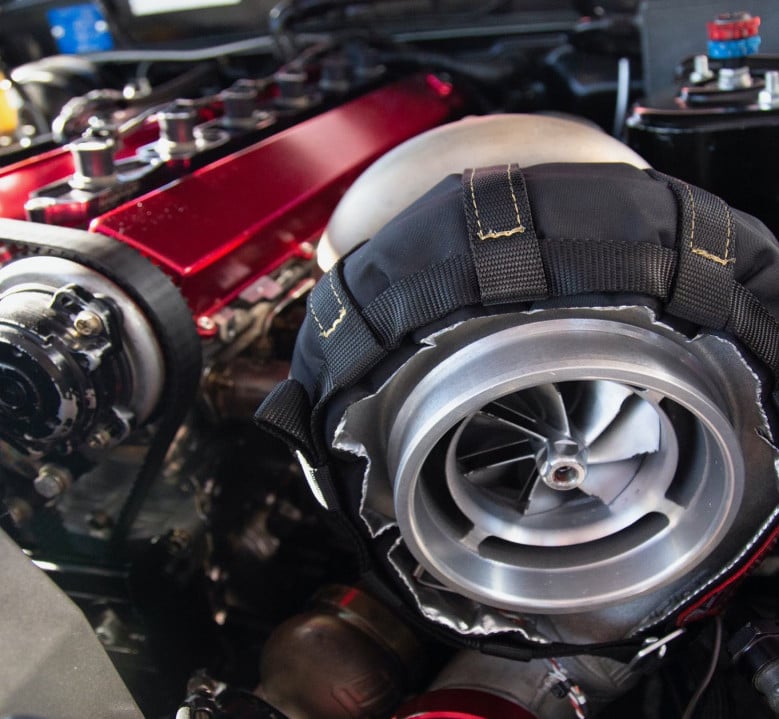
A diesel engine works differently. There is normally no need to restrict airflow to control torque so instead the cylinder can be filled with a 'fixed' volume of air and the amount of fuel injected is varied depending on the required torque.
Want less torque? Inject less fuel.
Want more torque? Inject more fuel.
This means a diesel can happily operate extremely lean under light load, something that would be impossible for a conventional petrol engine, as often demonstrated in the free Introduction to EFI Tuning lesson, which directly addresses the old, very wrong adage 'lean is mean' in that context.
What Happens If You Run A Diesel Engine Lean?
This leads to another big change in thinking for petrol tuners. On a petrol engine, going excessively lean under high load can quickly become dangerous. This makes tuners understandably nervous when they hear the word “lean”, unless they are tuning for economy in low-load and cruise areas of the fuel table of course.
On a diesel, the lean burn concerns runs the other way.
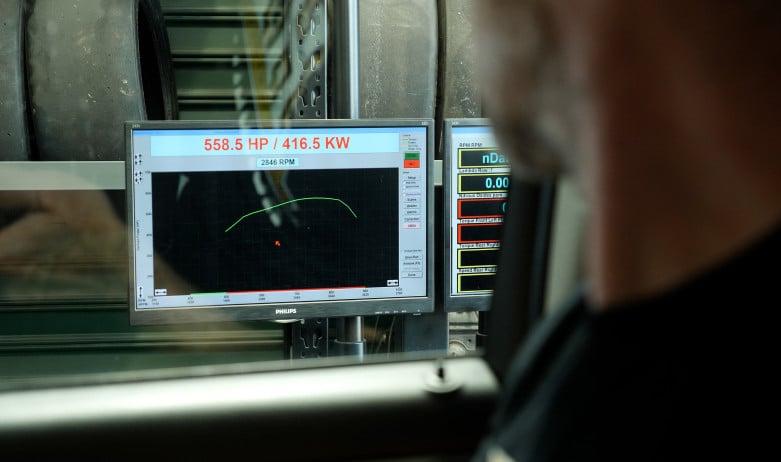
As more fuel is injected, the mixture becomes richer and torque increases. Keep adding fuel, however, and eventually there won’t be enough oxygen to burn it efficiently.
The result is increasing exhaust gas temperature, soot and ultimately the familiar black smoke associated with an over-fuelled diesel.
Or, as Nick puts it more simply:
“Lean is your friend.”
That doesn’t mean that leaner is always better. It means that, unlike a petrol engine, having excess oxygen available can often be desirable.
So What About Diesel Engines And Boost Control?
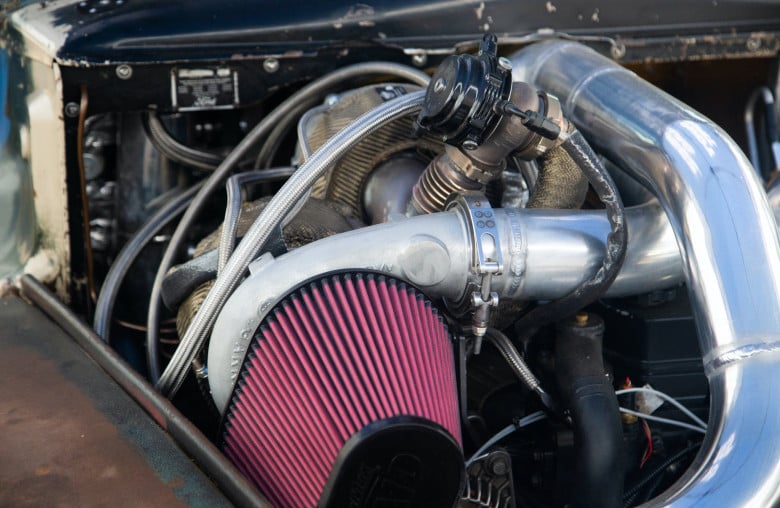
This also explains another mistake that’s easy to make when moving from petrol to diesel tuning: assuming that increasing boost will automatically increase power. On a petrol engine, increasing boost forces more air into the cylinders. Add the corresponding fuel and you can make more torque and power. On a diesel, simply adding more boost without adding fuel may produce little or no additional power, but the extra air can still help.
Increasing airflow for a given amount of fuel makes the mixture leaner, helping reduce smoke and control exhaust gas temperature. This can then give us the headroom to add more fuel and produce more torque. This is why fuel and boost need to be considered together when tuning a turbocharged diesel. As you work your way through your tuning tables, you are always going back and forth rather than trying to get one perfect before thinking about the other.
Forget What You Know About Petrol Engine Tuning?
No, it's not quite that extreme.
Many of the same tuning principles still apply, and ultimately both fuel and engine types are just slightly different ways of turning fuel into torque. But if you approach a diesel with the mindset that richer is safer, boost makes power, and lean is dangerous, you’re going to get confused very quickly when your tuning results are far from ideal, or worse.
So if you have to remember one thing, make it this. The fundamental difference when it comes to tuning a petrol engine vs a diesel engine is simply:
- Tuning a petrol engine we predominantly control torque with airflow.
- Tuning a diesel, we predominantly control it with fuel.
Once you understand that, a lot of the things that initially seem backwards about diesel tuning will start to make sense.