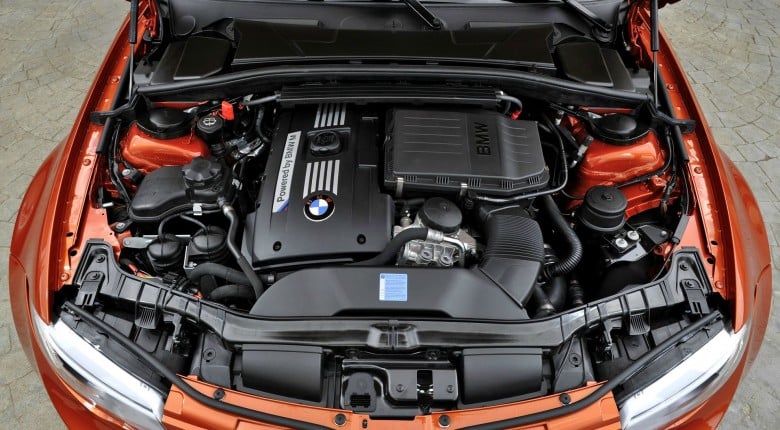
Is BMW's N54 engine the best they've ever made?
The N54 is one of the most popular engines from the German manufacturer — not necessarily because it's the highest-revving, the most powerful, or the most reliable — but because of its power potential, versatility, and tunability in the hands of the aftermarket.
This article looks into all aspects of this impressive twin-turbocharged three-litre, straight-six engine, covering its history, different versions, specifications, weaknesses, tuning secrets, and more.
In this article, you’ll find:
- History of the N54
- Why do people love the N54?
- Where can you find the N54?
- Factory N54 specifications
- Pros and cons of the N54
- Known weaknesses of the N54
- Tuning an N54
- N54 engine alternatives
- Getting the most from your N54
A Brief History of the N54
BMW's first ever product was a straight six aircraft engine, produced during the height of the First World War in 1917, and ever since, the inline six cylinder has been a mainstay in the German manufacturer's offerings.
After a long line of legendary naturally aspirated six-cylinders like the M88 in the M5 super sedan and M1 supercar, as well as the S50, S52, and S54 powering the E36 and E46 M3s, in the mid 2000s, BMW decided to move towards turbocharging its inline sixes in an effort to improve performance, economy, and emissions.
The idea was to create a motor that produced the same power as a V8 but was considerably lighter and more efficient. What the engineers came up with was the N54, a twin-turbo, direct injection petrol inline six that debuted in the 2006 E90 335i, continuing in production up until it was mostly replaced by the improved N55 in 2010 — although it's worth noting that the N55 isn't as good a tuning platform as the older N54. This motor would power some offerings in the 1, 3, 5, 7, Z4, and X5 series of cars, and would live on right up until 2016 in some high-performance models like the E89 Z4 sDrive35is, despite the existence of the newer N55.
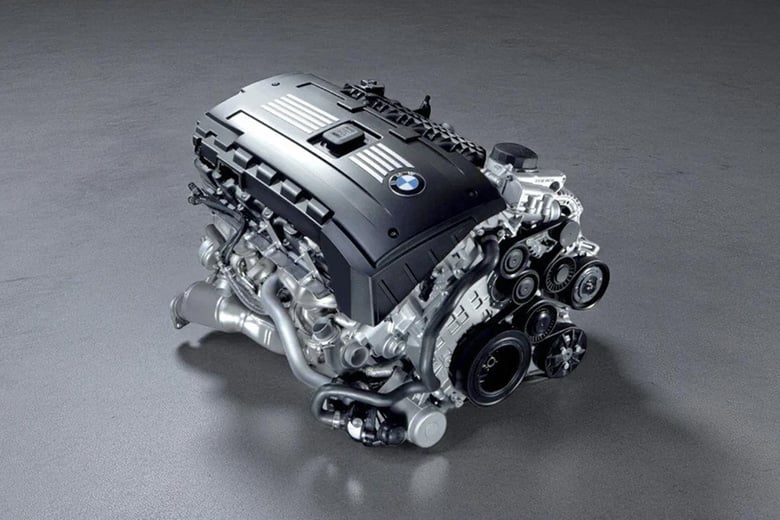
In standard form, the N54 was highly regarded upon release due to its throttle response and lack of turbo lag, which is mostly thanks to the use of fairly small turbochargers and BMW's well-known VANOS dual variable valve timing system.
This initial version of the N54 produced 302hp, and as time went on, improvements were made with a 322hp version as well as the final 335hp iteration. Alpina also produced its own take on the N54 for its B3 line of vehicles, which ranged from 355hp all the way up to 402hp before production ceased in 2013.
Although these motors were plagued with various reliability issues and a few obvious design flaws (which we'll discuss later in this article), the N54 still received plenty of International Engine of the Year awards thanks to its otherwise impressive engineering and excellent driving characteristics.
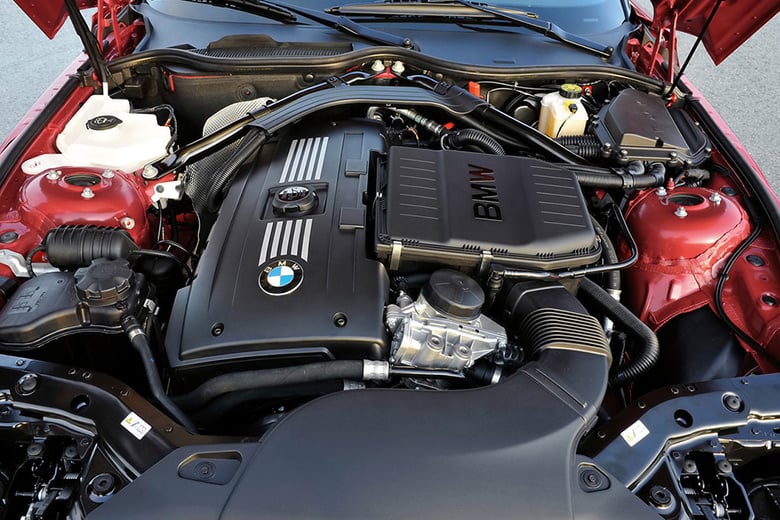
In a way, it served as a test bed for the future of BMW engine design as the manufacturer moved into its turbocharged era, which it's still firmly in today.
Why Do People Love the N54 Engine?
Before we get into why people love the BMW N54... Yes, we know there are a few good reasons to NOT love this motor, but we'll get into those soon.
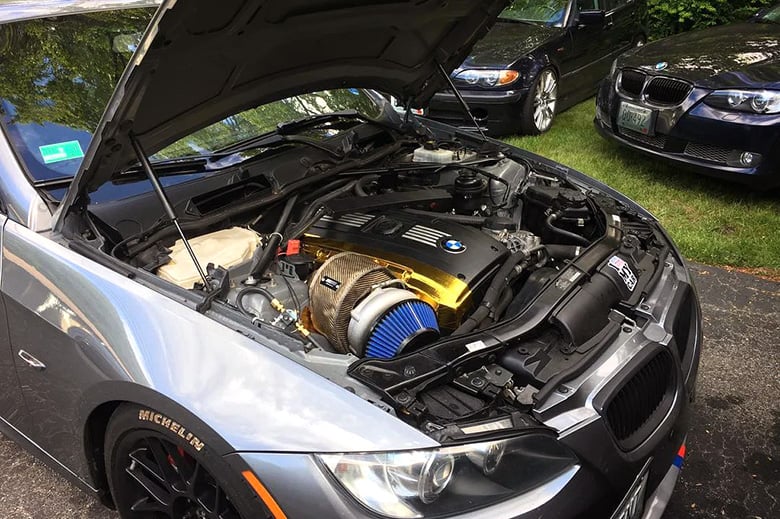
There are obvious comparisons to be drawn between the N54 and legendary Japanese motors like Toyota's 2JZ-GTE and Nissan's RB26DETT, and for good reason. Like those motors, the N54's turbocharged straight-six architecture and overbuilt nature make for huge power potential, even with only bolt-on modifications. Pull the motor down and carry out a rebuild using high-performance aftermarket internals, and, just like its Japanese equivalents, this motor can produce well over 1000hp.
Because of this power potential, the N54 is very well supported in the aftermarket, meaning that any type of part is generally readily available, from simple bolt-on upgrades like turbochargers, intercoolers and exhaust systems, all the way through to forged pistons and rods. The path to power is well known, and that means it’s simple for anyone looking to build and tune an N54 to understand exactly what they should be aiming for and the best way to get it.
Where Can You Find N54 Engines?
From 2006 to 2010, the N54 was the engine of choice for higher-trim BMWs of all types, and past that, continued to be used in special vehicles like the 1M and the E89 Z4, right up until 2016. This motor can be found in the following models:
- 2006-2010 BMW 335i (E9X)
- 2007-2010 BMW 535i (E6X)
- 2007-2010 BMW 135i (E8X)
- 2007-2013 Alpina B3 (E9X)
- 2008-2010 BMW X6 xDrive35i (E71)
- 2008-2012 BMW 740i (F01)
- 2009-2016 BMW Z4 sDrive35i/is (E89)
- 2010-2013 BMW 335is (E9X)
- 2011-2012 BMW 1 Series M (E82)

Factory Specifications of the N54
Architecture: Four-stroke, inline six-cylinder, 84.0mm bore, 89.6mm stroke
Compression Ratio: 10.2:1
Production: 2006-2016
Displacement: 2979cc
Block: Aluminium construction, open deck, forged crank, forged rods, cast pistons
Head: Aluminium DOHC with dual VANOS
Load measurement metering: MAP
Fueling: Direct injection high-pressure fuel system, piezoelectric injectors
Cam timing: Chain
Turbochargers: Twin Mitsubishi TD03L4
Known Weaknesses of the BMW N54
While the N54 is a much-loved motor among its fans, there are plenty of people out there who hate it just in equal measure, and it’s definitely not without its weak points that have had enthusiasts pulling their hair out since day one. It's also worth noting that many of these issues were rectified in the later N55, but again, this newer motor doesn't take to modification and tuning as well as the N54. Here is a list of the major problems faced by this motor:
- The high-pressure fuel pump failing is one of the most common faults on these engines, so much so that most cars running this engine will have had the pump replaced at least once in their lifetime. The problem first becomes apparent with a long cranking start-up time and a drastic reduction in power.
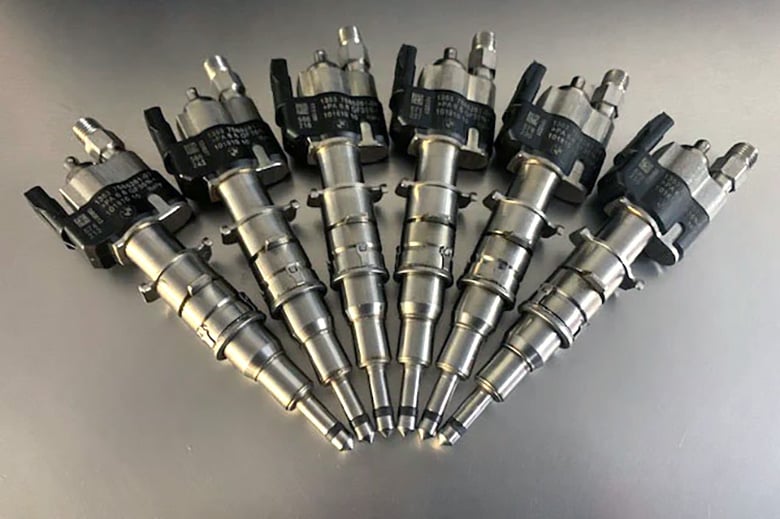
- Sticking with the fuel system, the stock piezoelectric injectors are notoriously troublesome and often get clogged with carbon or leak, which, due to their location, can cause misfiring issues when fuel makes its way onto the spark plugs.
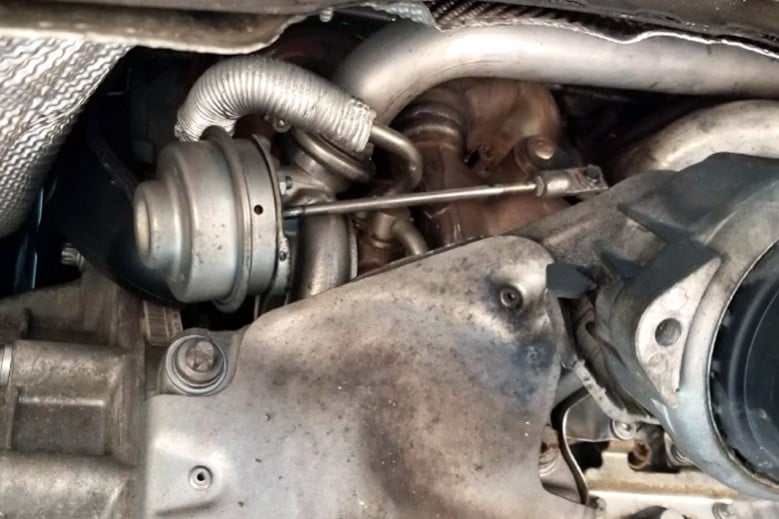
- Next on the list, and a much more costly repair, are problems with the wastegate. This tends to start rattling as the actuator wears and eventually fails completely — low boost engine codes are also a telltale sign that the wastegate is failing. Although this problem will occur on a completely stock engine, an increase in boost pressure will generally raise the chances of it occurring sooner, and when it does, it often means both turbos need replacing, which is an expensive fix. Silver lining? This is the perfect opportunity to upgrade to bigger turbochargers.
- Although not an issue with a stock N54, once you start increasing the boost and power with modifications, the factory plastic charge pipe will fail and cause a boost leak. Thankfully, the fix is simple, with dozens of aftermarket replacement options available that are manufactured from stronger materials.
- Due to the N54's direct injection system, carbon buildup can be a problem, causing clogged injectors, misfires, and other performance issues. The use of an aftermarket catch can will drastically reduce this buildup in the first place, but if it's already present, the best solution is walnut blasting the valves to clean them. If the problem was bad enough, this can actually result in a noticeable gain in performance and throttle response once completed.
- The N54's water pump is quite fragile and has a tendency to fail around the 100-120 thousand-kilometre mark. Unfortunately, you're not likely to get any warning that this is coming, and the first you'll know about it is when the engine temperature shoots up, which can be catastrophic if not caught quickly. The only solution here is replacement, which is a fairly involved job. Although there are plenty of aftermarket replacements available, most in the N54 community suggest it's not worth the savings and to only buy genuine for this particular part.
- As with many BMWs of the era, VANOS solenoids are prone to failure. This variable valve system is great when it works, but problems with it are common. Symptoms include a loss of power in the lower rev range, engine hesitation, cold start issues, rough idling, and the dreaded check engine light. If this happens, the best solution is to replace the solenoids completely.
- Oil leaks are common on the N54, with the usual culprits being the oil pan, oil filter, and valve cover gaskets. These are all fairly simple to replace, but seem to be a constant issue for owners.
Pros & Cons of the N54 Engine
Pros
- Lightweight alloy construction.
- Strong internals from the factory.
- Big power potential.
- Huge aftermarket support.
- Fairly cheap to buy — both as a complete vehicle or as a separate engine from a used parts supplier.
Cons
- Various well-documented reliability issues and design flaws, as detailed above.
Tuning an N54
Tuning an N54 is no different to tuning any engine — all the same rules and techniques apply (which you can learn here). With that said, there are a few things worth considering before you strap your N54-powered car to the dyno.
Let's start with the very basics and work our way towards maximum power.
These motors respond well to just a simple reflash, and there are plenty of companies out there offering off-the-shelf maps that can see 70+hp gains with just a flash alone. Combine this with simple bolt-on mods, however, like intake, downpipes, a bigger intercooler, and an aftermarket chargepipe, and you'll be looking at somewhere around 400hp reliably for very little money.
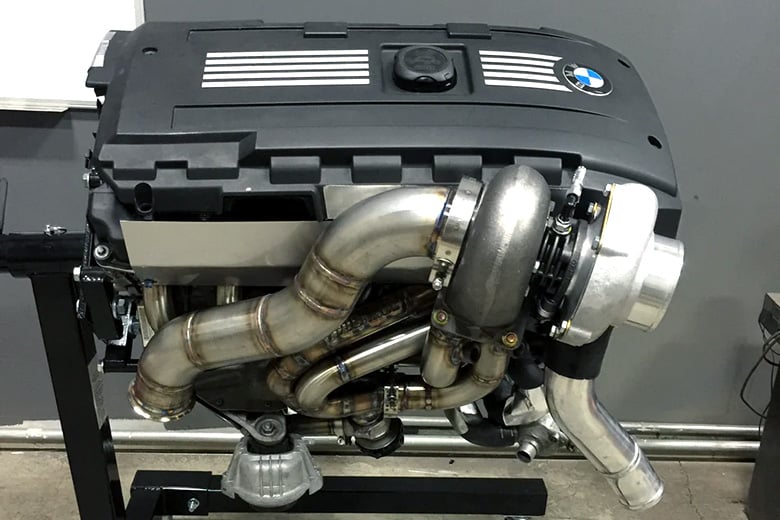
When it comes to turbos, the stock Mitsubishi TD03 twins can support up to around 500hp at an absolute maximum, although this will affect their longevity. To get to this point, along with the upgrades we just discussed, you'll also need to upgrade the turbo inlet and outlet pipes, the high-pressure fuel pump, and install an upgraded TMAP sensor to run more than 20psi of boost. Many enthusiasts will also add water-methanol injection for added safety, for which there are plenty of kits available.
At this point, an off-the-shelf tune isn't going to cut it, so it'll require custom remapping, which is something you can do yourself after taking HPA's Practical Reflash Tuning course.
Above this power level, the stock turbos are no longer going to cut it, however the engine itself still has plenty of headroom before you'll need to crack it open and upgrade some parts. The common wisdom here is that 600hp is around the safe limit for factory internals, though, of course, plenty of people have successfully pushed their luck much further than that... But for how long?
There are a lot of options here, with plenty of twin and single turbo upgrade packages available. Which option you go for will depend on the kind of power you're aiming for and how much extra work you're prepared to sink into your project. For example, a twin turbo TD04 upgrade kit is relatively simple as it's physically very similar to the factory components, while a big single turbo has more power potential but requires more work and money to fit.
There's also the question of boost response — with all else being equal, a single turbo will produce more lag than a pair of smaller turbos. With that said, the N54 is a fairly large capacity motor, so unless you're going very big on the turbo, some extra lag isn't the end of the world.
At this stage, we're also finding the limits of the stock low-pressure fuel pump and the DI injectors, and conversion to a big pump and port injection becomes necessary, as well as a switch to E85 fuel. Like everything else when it comes to modifying the N54, this is well-trodden ground with the two main options being either retaining the factory intake manifold and using port injection plates, or going to a complete aftermarket manifold. Surprisingly enough, with a seperate port injection controller, the factory ECU can happily run this system. There are plenty of guides and kits out there that make this job a little easier — if not cheap.
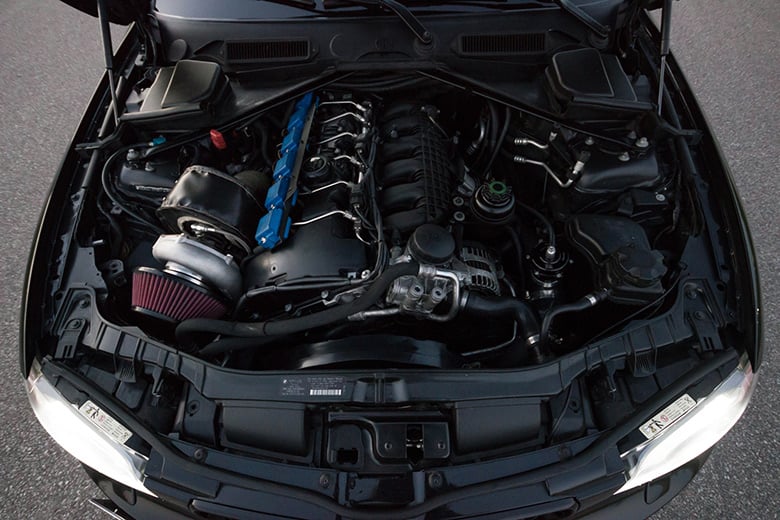
Pushing power further from this point, which means anything from 650hp all the way past 1000hp, is going to mean a big step up in terms of commitment, as we've reached the limits of our engine internals and other factory components. Externally, a big single turbo is the way here, as packaging constraints limit how big you'll be able to go with twins.
Internally, while the factory forged crankshaft is so good that no one really offers an aftermarket version, the rods, pistons, and bearings become the weak point and will need to be replaced with stronger forged options. Port injection and a bigger fuel system, as we touched on earlier, are also a must from this point on.
While it is possible to retain the stock flashed ECU, at this point, it gets a little messy, and we'd also recommend moving to a standalone ECU from trusted suppliers like Link, Haltech, or MoTeC.
Assuming you're working with the BMW that the N54 was originally fitted to, it's worth remembering that this kind of power requires upgrades to a lot of other systems in the vehicle, like the mounts, transmission, coolers, axles, and differential — let alone the handling and braking side of the equation.
N54 Engine Alternatives
The reality is, unlike a 2JZ or LS, the N54 isn't a super popular engine choice for swaps, and most people playing with these engines will likely be doing so with it mounted between the chassis rails of the BMW it was originally fitted to. With that said, it's still a consideration for a swap project, and there are also plenty of other chassis from BMW with different engine options that might be better suited to your goals — even if the initial buy-in price is higher.
- BMW N55 (3.0 litre turbocharged inline 6)
- BMW B58 (3.0 litre turbocharged inline 6)
- Toyota 2JZ-GTE (3.0 litre turbocharged inline 6)
- Nissan RB26-DETT (2.6 litre turbocharged inline 6)
- Ford Barra (4.0 litre turbocharged inline 6)
Get the Most From Your N54 Engine
It’s time to get serious about your BMW N54-powered project. The question is, where should you start?
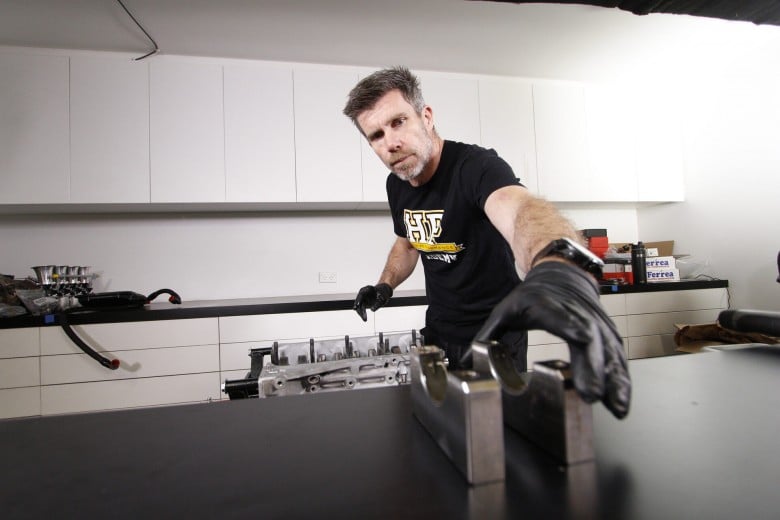
To set yourself up for good results, check out HPA's range of engine building and tuning courses.
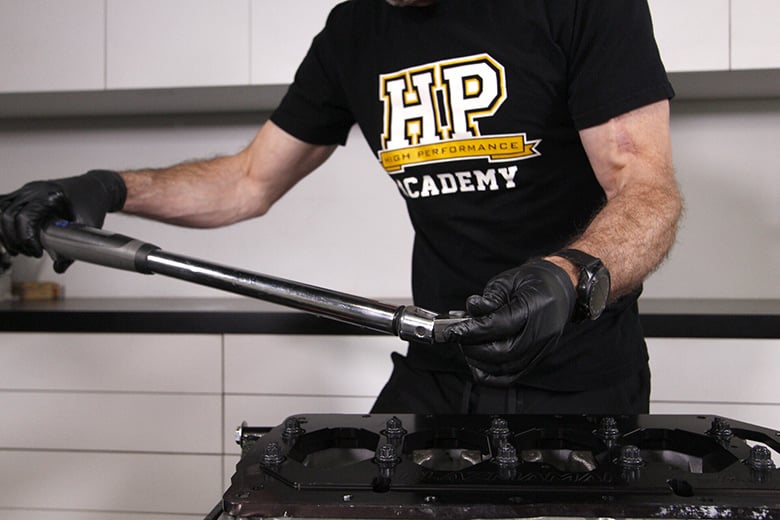
If you’re looking to build up a new N54 (whether it’s a rebuild using factory-spec parts or a fully built motor), you’ll want to start with the Engine Building Fundamentals course, followed by Practical Engine Building.
You can also grab the heavily discounted Engine Building Starter Package, which includes these two courses plus a course dedicated to degreeing cams.
Once you’ve built your N54, it’s time to tune it.
Yes, the N54 has its foibles, but it's also a great motor that's capable of massive power, provided you know what you're doing...
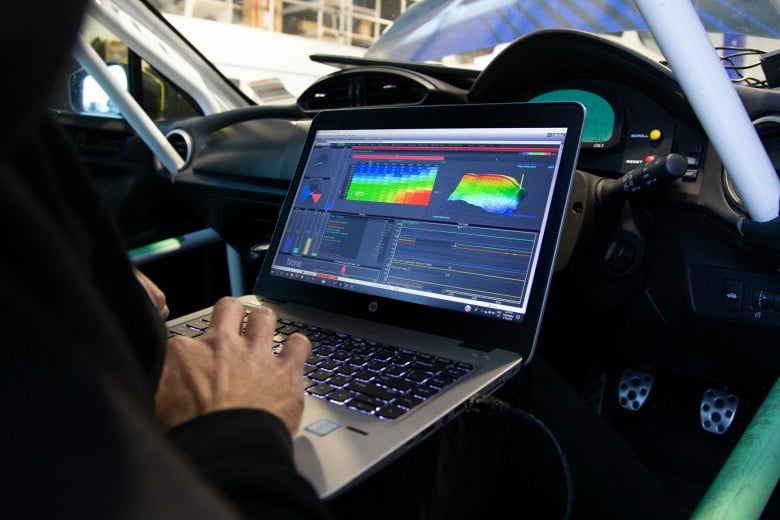
You can learn everything you need to know to successfully tune your motor with the EFI Fundamentals, Understanding AFR (air-fuel ratio), Practical Reflash Tuning, and Practical Standalone Tuning courses — these can all be bundled together for a healthy discount with the Tuning Starter Package.
Throughout this process, if you ever find yourself stuck, you’ll have access to our support forums, where you can post any questions you’ve got and get answers from tutors and the wider tuning community.