An 8HP transmission swap is one of the most popular upgrades today, offering fast shifts, excellent drivability, and strong torque capacity for both performance and street vehicles.
Being popular is one thing, but getting the right result involves more than simply buying a gearbox and bolting it into your performance, street or motorsport build. Between transmission selection, adapter compatibility, torque converter fitment, transmission control, cooling, shifter setup, CAN integration, fluid level, and TurboLamik or MaxxECU adaptation, there are several areas where a poor decision early in the project can create expensive problems later.
Using Andrew Astley's expert knowledge (check out Tuned In podcast episode 158 to hear about his career so far), this guide brings the key ZF 8HP swap considerations together in one place, helping you plan the parts, understand the common options, and avoid the mistakes that can compromise shift quality, drivability, or gearbox life. Many builders purchase a transmission first, only to discover that adapters or controllers are unavailable or incompatible. Planning parts selection in the right order prevents buying components twice and saves significant time and cost during the swap.
Ultimate ZF 8HP Transmission Swap Guide: Parts, Transmission Selection, Setup & Common Mistakes
Written by Andrew Astley of 8speed.com.au and published with permission.
Contents:
- How to Choose the Right ZF 8HP Transmission for Your Transmission Swap
- Transmission
- Engine to Transmission Adapters
- Transmission Output & Driveshaft Interface
- Transmission Controller
- Shifter & Paddles
- Cooling System
- Cross Members & Brackets
- Fluids & Service Items
- Recommended Order to Buy Parts
- Summary: Step-by-Step Transmission Selection
- How Difficult Is an 8HP Swap?
- Common Mistakes When Retrofitting an 8HP Transmission with a TurboLamik TCU
- Technical Deep Dive: TurboLamik 8HP Adaptations
- Related HPA Courses
- Final Thoughts
One of the first questions people ask when planning a ZF 8HP swap is:
“What parts do I actually need for an 8hp transmission swap?”
While every vehicle combination is slightly different, most swaps require the same core groups of components. This guide breaks down the main parts involved so you can understand what is required before starting your conversion.
How to Choose the Right ZF 8HP Transmission for Your Transmission Swap
1. Electronics Compatibility: TCU Support Comes First
Before selecting a transmission, decide which controller (TCU) you're using. Each supports specific 8HP and DCT models, and not all work with every hardware variant. Choose your TCU before buying a transmission.
Supported Controllers and Their Transmission Compatibility
TURBOLAMIK AUS | TurboLamik GLOBAL
- 8HP45, 8HP50, 8HP70 electronic shifter only, 8HP75, 8HP90
- Beta: 8HP55, 8HP95, 8HP51 with 8HP50 valve body
Notes: Most flexible and powerful standalone 8HP controller. Supports CAN or internal torque calculation.
CANTCU AUS | CanTCU GLOBAL
- BMW F-Series Gen 1: 8HP45/70/90
- BMW F-Series Gen 2: 8HP50/75/95
- BMW G-Series Gen 2: 8HP50/75
- BMW G-Series Gen 3: 8HP51/76, requires 3rd party immobilizer bypass
- VAG 8HP55 Gen 1, requires bench flash
- BMW DCT: GS7D36SG / GS7D70SG
Notes: Strong BMW support.
MaxxECU GLOBAL
- 8HP45, 8HP70, 8HP90 GEN1 only, requires TCU reflash
- Beta: 8HP55 AWD
- Not supported: 8HP50 / 8HP75
Notes: Only specific TCU hardware numbers are supported.
2. Understand the 8HP Transmission Strength Ranges
ZF 8HP transmissions are grouped into three main families based on torque capacity:
8HP4x / 5x Series: Light to Medium Duty
- 8HP45, 8HP50, 8HP51, 8HP55: approximately 450-550 Nm
8HP7x Series: Heavy Duty
- 8HP70, 8HP75: approximately 700-750 Nm
8HP9x Series: Ultra Heavy Duty
- 8HP90, 8HP95: approximately 900-1000+ Nm
These are figures from ZF for factory applications with warranty. Evidence has shown each variant can handle significantly more torque than rated by ZF, especially with effective torque reduction strategies during shifting.
3. Bellhousing Compatibility or Adapter Solutions
First priority: Make sure you know which 8HP the adapter kit will fit.
Bellhousing patterns and the entire transmission case are OEM-specific. Even two 8HP70s, for example from a BMW N57 and an N63, differ in bolt pattern, starter location, and torque converter pilot depth. An adapter designed for the N57 8HP70 will not bolt to an N63 8HP70, even though both are the same transmission family.
Common OEM Bellhousing Patterns
- BMW: N/S/B series engines, all have different fitment
- Dodge/Jeep: Gen 3 HEMI
- VAG/Audi: Longitudinal turbo and V6/V8 engines
- Jaguar/Land Rover: AJ-V8, diesel V6
If you're not using a native fit, you'll need:
- An adapter plate, engine block to bellhousing
- Crank spacer or custom flexplate to converter adapter
- Pilot bushing or custom converter hub
Always confirm the adapter was designed for your exact 8HP version.
4. Transmission Fitment and Output Compatibility
Even if electronics and bellhousing are sorted, make sure the 8HP physically fits:
- Tunnel clearance: 8HP90/95 are larger and may require modifications
- Mounting bosses: Rear mount patterns vary
- Shifter location: Some require bracket or loom relocation
Output Flange Compatibility
- BMW: 3-bolt flange, there are different PCD versions
- Dodge: Slip yoke or large flange
- Audi/Jaguar: Large offset flange
Adapters are available to convert to standard U-joints or slip-yoke driveshafts.
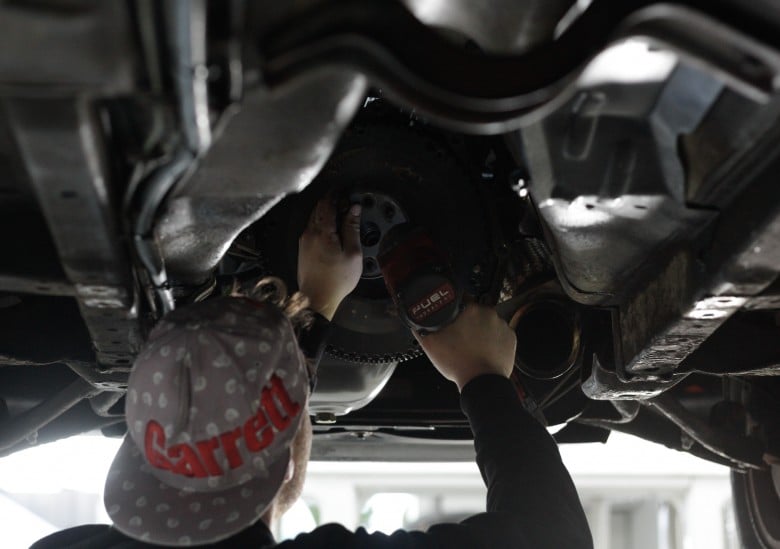
Transmission
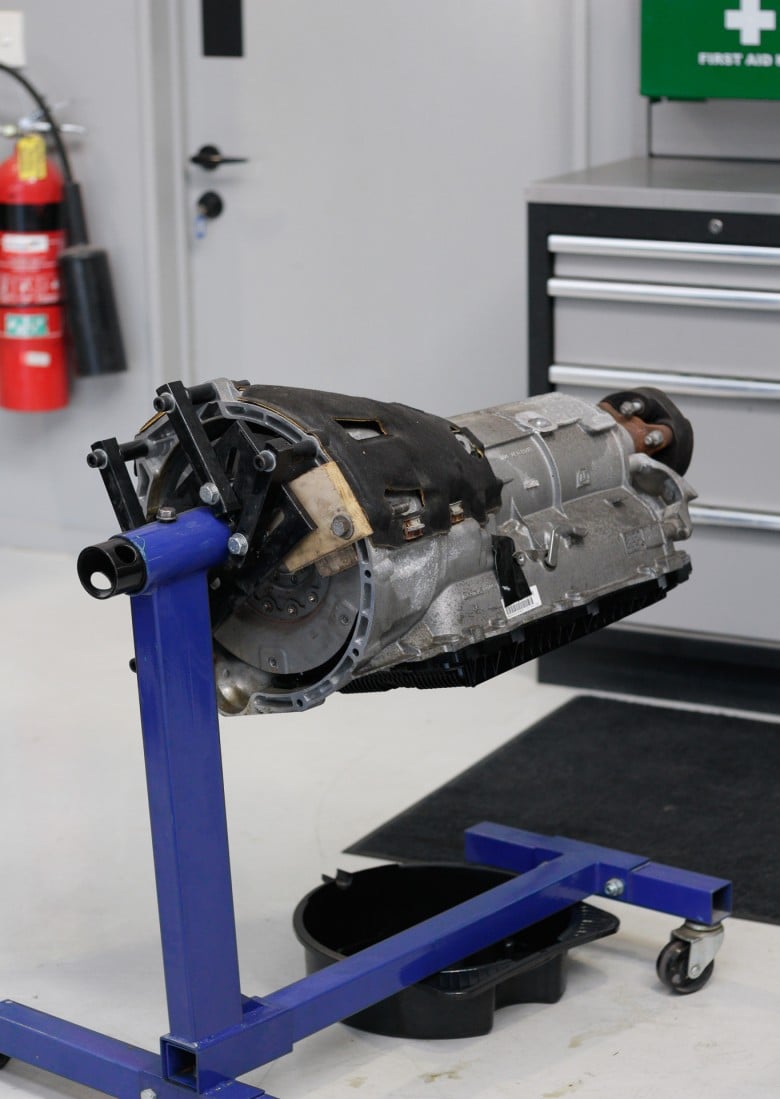
This is the core of the swap. Choosing the right transmission early makes an 8HP swap significantly easier and avoids buying parts twice.
Most builds use a ZF 8HP automatic transmission sourced from BMW, Audi, or other OEM applications. There are also adapter solutions available allowing the use of transmissions such as the Getrag GS7 DCT and Porsche PDK in some swap applications.
Choosing the correct version depends mainly on:
- Engine-to-transmission adapters available for your engine
- Transmission controller compatibility and choice
Engine to Transmission Adapters
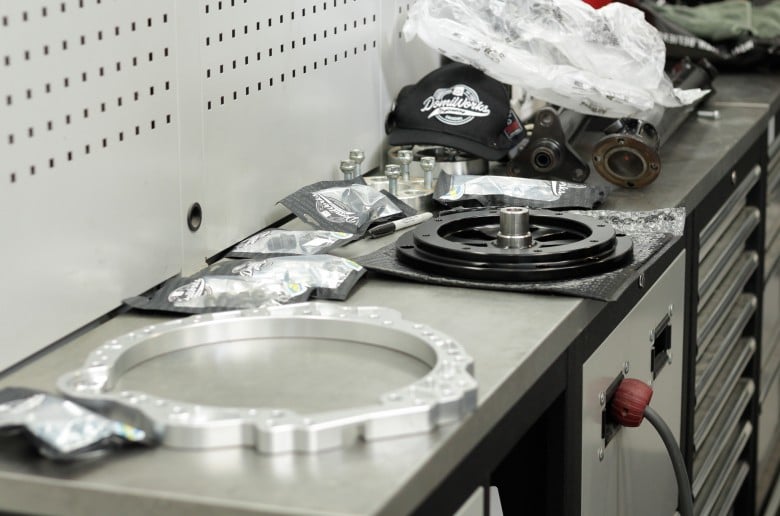
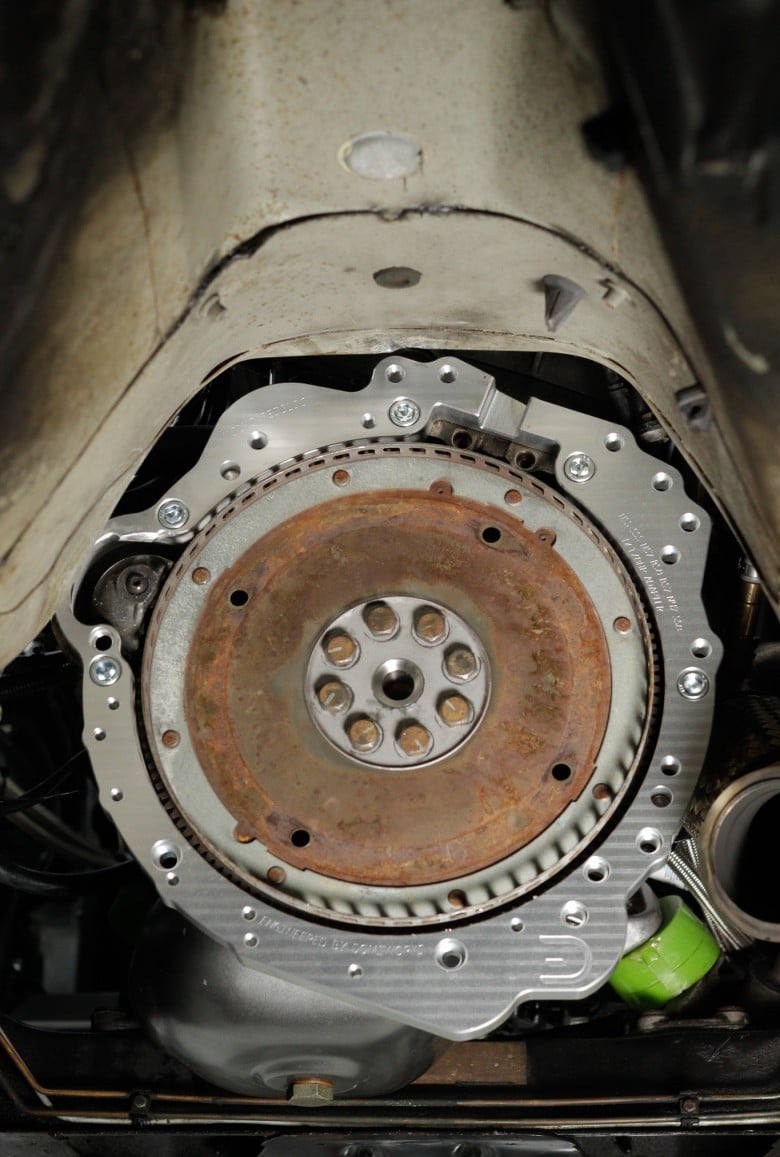
To fit an 8HP, or other modern automatic or dual-clutch transmission, to an engine it was never designed for, an adapter solution is required.
This normally includes:
- Engine-to-transmission adapter plate or replacement bellhousing
- Flexplate or flywheel solution compatible with the transmission
- Crankshaft spacer or adapter if required
- Starter motor solution or relocation components if required
- Required hardware and fasteners
Adapter availability is often the biggest factor in determining which transmission can realistically be used in a swap. The adapter kits on our site often come with all of the above components.
Transmission Output & Driveshaft Interface
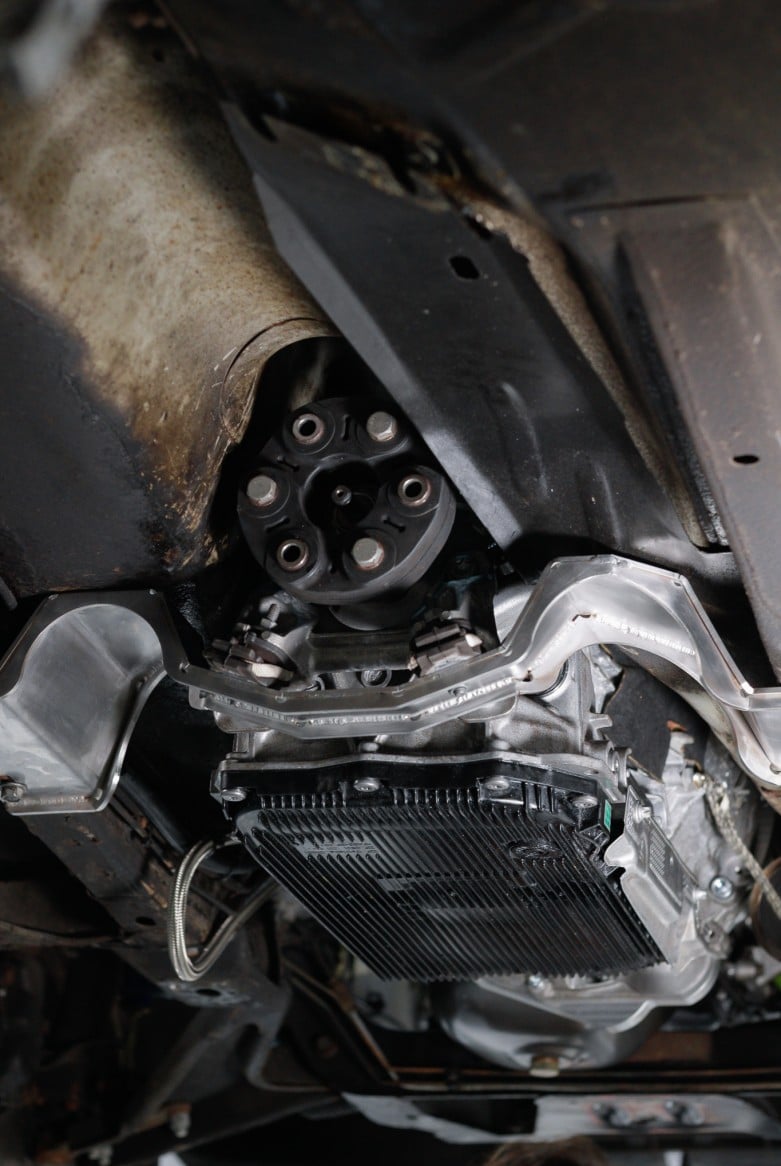
The rear of the transmission must be adapted to connect to the vehicle’s driveshaft and differential.
This may include:
- Transmission output flange changes or adapters
- AWD-to-RWD conversion adapters where applicable
- Custom or modified driveshaft
- Driveshaft flange adapters to suit the vehicle differential
This part of the swap is usually tailored to the specific chassis and differential being used.
Transmission Controller
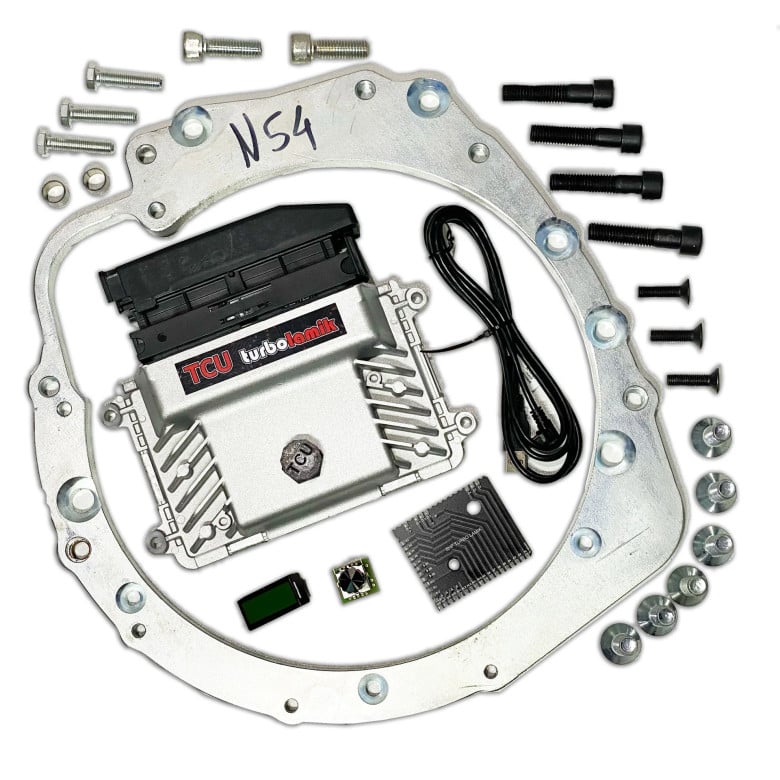
Modern transmissions such as the 8HP require an external controller to operate correctly in a swap application.
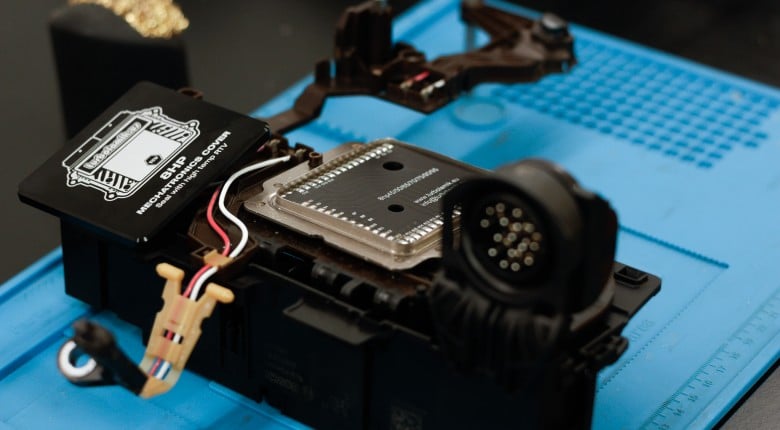
The transmission controller is the key to a successful swap. Options range from full standalone systems such as TurboLamik, through to CANbus-based control solutions like CanTCU and MaxxECU integrations. Each option has its own quirks, features, and integration requirements, and this is typically the component that requires the most research and planning in any swap.
Integration requirements vary depending on the ECU and overall vehicle electronics.
Related learning: If your swap requires custom CANbus wiring, paddle shift inputs, shifter wiring, sensor integration, or a new transmission harness, HPA's Motorsport Wiring and CAN Bus Communication Decoded courses are a useful next step before committing to the electrical side of the install.
Shifter & Paddles
The driver needs a way to select gears and control the transmission.
Common solutions include:
- CANbus gear shifters: OEM style or CAN keypad
- Steering wheel paddle shifters
- Custom button or motorsport-style shift controls in some builds
Shifter choice depends on vehicle interior layout, electronics used, and driver preference.
8speed Shifter Mount: Free Download Link
3D printing is growing in popularity, we use it for many prototyping situations and sometimes even for end user products. One of these is our 8HP shifter mount for BMW/Supra shifters. Featuring a flat base and standoffs to suit most BMW 8 speed shifters it has proven quite popular.
If you have the facility, you can print and use this bracket, or purchase it directly from 8speed.au when it's in stock.
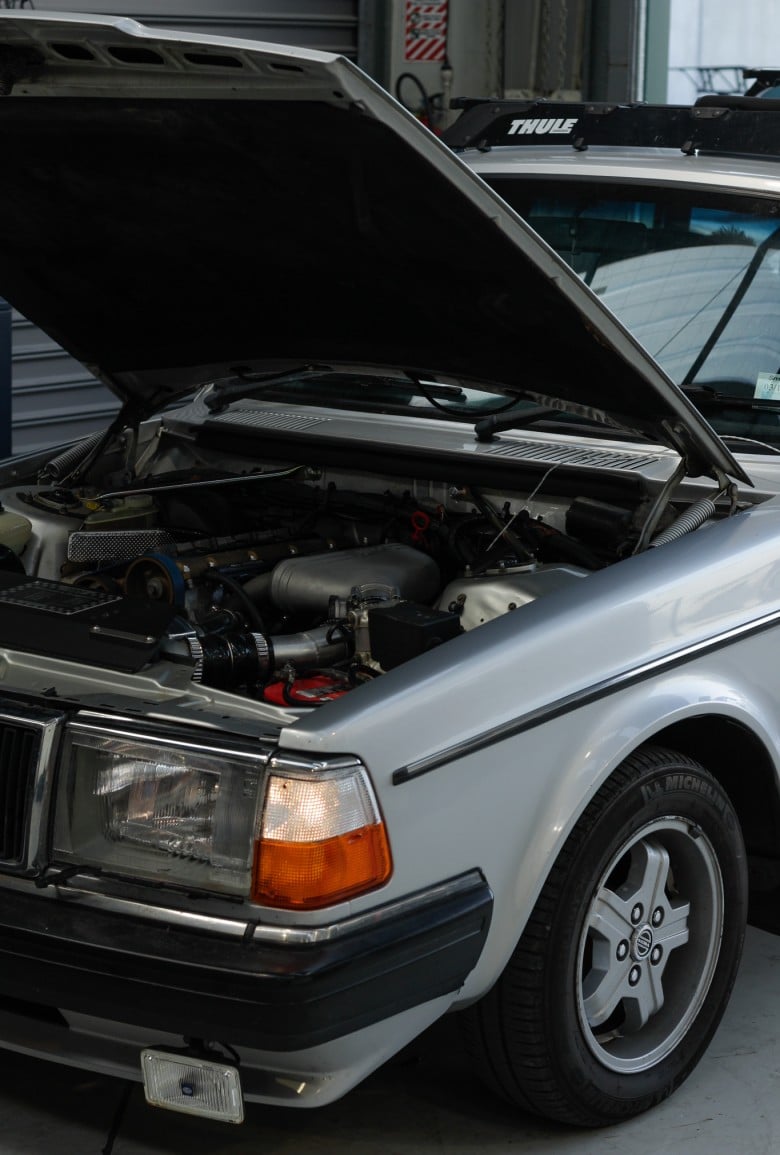
Cooling System
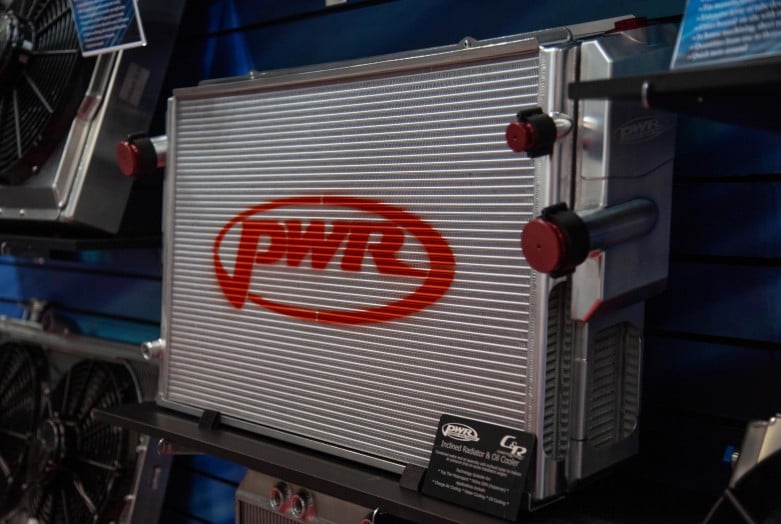
Most factory 8HP transmissions are designed with vehicle-specific oil cooler connections. Transmission oil cooler adapters make it easy to connect aftermarket cooler lines to the OEM cooler ports in swap applications.
This typically includes:
- Transmission oil cooler adapter
- External transmission oil cooler
- Transmission cooler lines
- Hose fittings or adapter fittings to suit the transmission and cooler
Cooling requirements depend on vehicle usage, with high-performance or towing applications often requiring larger or upgraded cooling solutions.
Related learning: Transmission cooling is one area where poor line choice, routing, heat management, or fitting selection can create reliability problems. HPA’s Motorsport Plumbing Systems course is a good fit if you’re building the cooler lines and plumbing system yourself.
Cross Members & Brackets
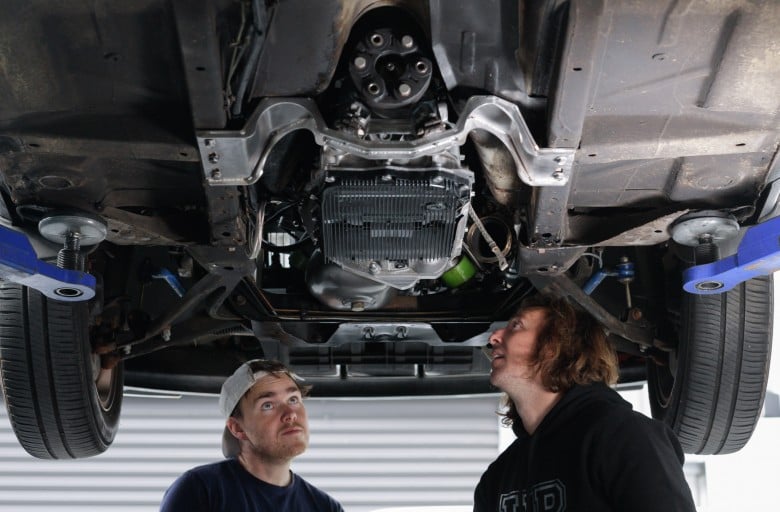
All transmission swaps require a way to mount the rear section of the transmission, which is normally achieved using a custom crossmember and bracket setup.
This may include:
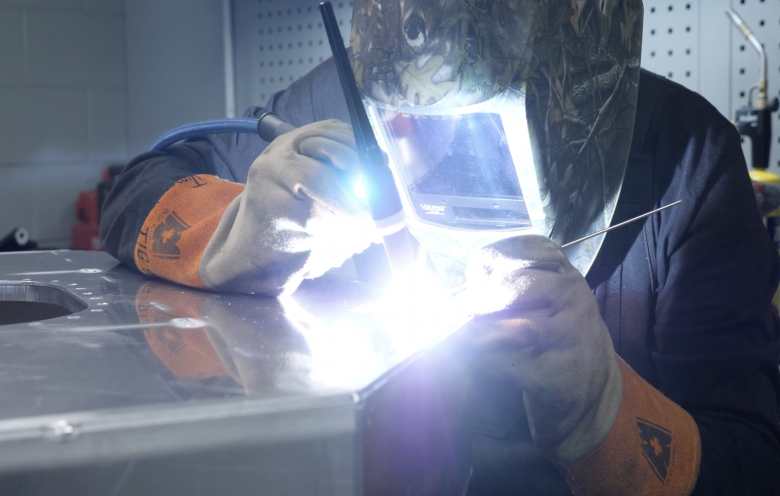
- Transmission crossmember fabrication or modification
- Transmission mount brackets or adapters
- Custom mounting or support brackets where required
- AWD and RWD versions of the same transmission variant often require different bracket and crossmember setups
The amount of modification required varies depending on the vehicle platform and transmission being installed.
Related learning: If your 8HP swap requires custom mounts, brackets, shifter parts, tunnel clearance checks, or 3D printed components, HPA’s Automotive CAD and Practical 3D Scanning courses are useful resources for designing parts that actually fit the car.
Fluids & Service Items
It is good practice to service a transmission before installation to ensure reliability once the swap is complete.
This typically includes:
- Correct transmission fluid for the transmission variant
- Transmission filter and oil pan service where applicable
- Replacement seals and service gaskets as required
Servicing the transmission while it is out of the vehicle is usually far easier than addressing leaks or maintenance after installation.
Recommended Order to Buy Parts
A practical order for most swaps is:
- Confirm engine-to-transmission adapter availability
- Choose transmission controller compatibility
- Confirm output flange and driveshaft solution
- Plan crossmember and mounting solution
- Finalise shifter and cooling solutions
Choosing parts in this order avoids most common swap delays.
Summary: Step-by-Step Transmission Selection
The steps above cover the full selection process in detail. In brief, the correct sequence is:
- Choose your TCU first -- this determines which 8HP variants are compatible
- Identify the supported 8HP models for your chosen controller
- Confirm an adapter kit exists for your engine and that specific 8HP variant
- Check physical fitment: tunnel clearance, crossmember, output shaft, and driveshaft angle
Following this sequence avoids the costly mismatches and wasted time that come from starting with the gearbox.
How Difficult Is an 8HP Swap?
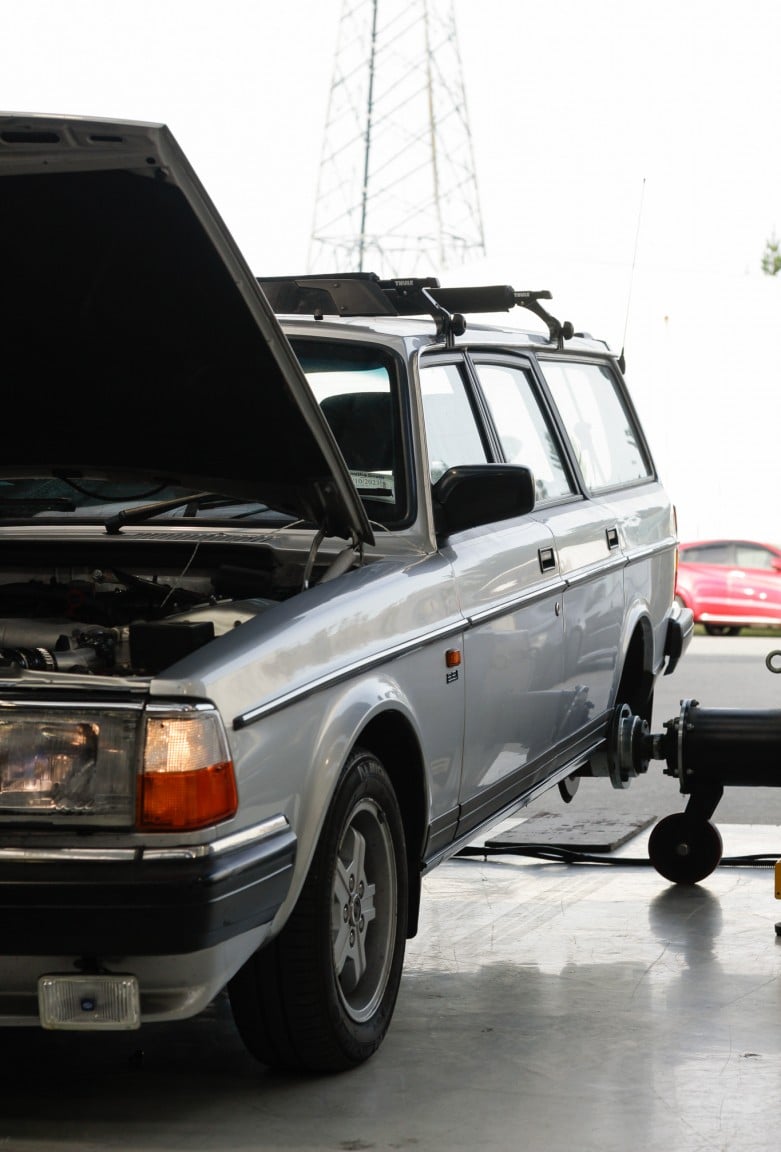
An 8HP swap is not a simple bolt-in upgrade. It usually involves a combination of mechanical, electronic, and fabrication work.
Typical challenges include:
- Correct transmission selection
- Adapter availability for your engine
- Controller setup and tuning
- Driveshaft and mounting changes
- Electronics integration between ECU and transmission
Whether you are performing a DIY garage build or professional workshop conversion, planning parts selection early is critical.
The complexity varies greatly depending on vehicle platform and the parts available for your engine and chassis.
Careful planning at the beginning of the project saves time, cost, and frustration later.
Every swap combination is slightly different, but understanding the parts required before starting makes the project significantly smoother.
Common Mistakes When Retrofitting an 8HP Transmission with a TurboLamik TCU
Retrofitting a ZF 8HP automatic transmission using the TurboLamik TCU gives you access to smooth, modern automatic shifting in just about any vehicle. But success depends on understanding how the TCU works and avoiding some critical mistakes that can lead to poor performance or even transmission damage.
1. Incorrect Torque Value Configuration
Torque is one of the most important signals the TCU uses, affecting shift timing, clutch pressure, and overall drivability. Without proper torque input, the transmission may shift erratically or apply the wrong line pressure.
Common mistake: Assuming torque is automatically available over CANbus, or failing to configure internal torque calculation correctly.
Correct approach: A select number of OEM ECUs, for example Audi 5HP, BMW 6HP Exx, can transmit torque directly to the TCU via CANbus.
However, the value must still be verified. Tuned ECUs often report incorrect or inflated torque, which must be corrected using the TCU’s multiplier or offset tables.
For Haltech ECUs, set:
- CAN Profile = 8
- Inputs for RPM, MAP, and TPS = 13, this tells the TCU to use CAN Engine A
This enables internal torque calculation using Haltech’s default CAN stream.
Related learning: Because the TCU’s shift strategy depends heavily on accurate engine torque data, the engine calibration side of the project matters too. If you’re using a reflashed factory ECU, HPA’s Practical Reflash Tuning course is the more relevant option. If you’re using a standalone ECU, HPA’s Practical Standalone Tuning course is the better fit.
2. CANbus Profile Selection Errors
The TurboLamik TCU includes dozens of CAN profiles, but each one has a specific purpose and compatibility.
Common mistake: Selecting the wrong profile or leaving it set to “0 - OFF,” resulting in missing engine data or torque input failure.
Correct approach: Use the correct CAN profile number for your ECU. For example, Profile 8 = Haltech, Profile 20 = Audi 5HP, Profile 30 = BMW 6HP Exx.
Profiles above 20 are designed for OEM ECUs and may support torque reduction requests, dash gear display integration, and more.
If you're using analog inputs and not CAN, set the CAN profile to 0, OFF.
3. Misunderstanding Internal Torque Calculation Requirements
When not receiving torque over CAN, the TCU can calculate it internally, but it needs accurate sensor input to do so.
Common mistake: Assigning inputs incorrectly, or failing to calibrate analog signals.
Correct approach:
Option A: CAN Data, for example Haltech
- Set CAN Profile = 8
- Set RPM, MAP, TPS = 13 to pull from CAN Engine A
Option B: Direct Sensor Input, Standalone/Custom Setup
Wire in:
- MAP sensor 0-5V: Input setting = 5
- TPS sensor 0-5V: Input setting = 4
- Crank RPM signal: Input setting = 2
All analog inputs must be calibrated in TurboLamik software to match sensor range and voltage scaling.
4. Improper Transmission Filling Due to Mounting Angle
OEM ZF 8HP filling procedures assume the trans is mounted level. In retrofits, that's not always true.
Common mistake: Using the stock fill level while the transmission is installed at a downward angle, resulting in under-filling.
Consequences:
- The pump may draw air into the hydraulic system.
- Even at idle, clutches can slip or burn.
- Severe damage can occur from prolonged low fluid operation.
Correct approach:
- Always ensure the transmission itself is level, not the vehicle.
- Consider slightly overfilling if the mounting angle prevents a proper level check using the overflow method.
- Monitor the fill level at correct temperatures, typically 40-50°C for most 8HP models.
- After installation, check the fluid level again following the first few low-load drive cycles, as air pockets may clear and fluid may settle or expand.
5. Not Using TunerPro Live Data Dashboard During Setup
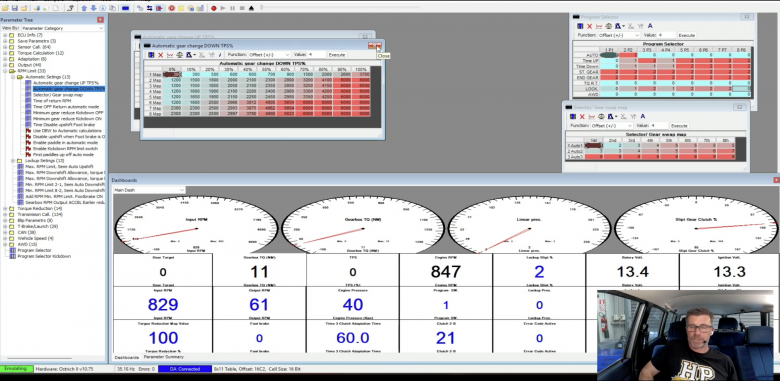
The TunerPro dashboard is a powerful tool and essential during setup and diagnosis.
Common mistake: Not checking clutch status or slip in real time.
Correct approach: Use the dashboard to verify:
- Clutch pressures
- Gear engagement
- Engine data via CAN
- Clutch slip gauge, critical!
If a clutch is slipping while the gear is engaged and there's no slip strategy active, you’re burning clutches, even at idle.
Use this tool to catch problems before they become permanent.
Technical Deep Dive: TurboLamik 8HP Adaptations
Retrofitting or tuning a ZF 8HP with a TurboLamik TCU? Then understanding how adaptations work is not optional, it’s integral to transmission health, shift quality, and overall performance. In this guide, we’ll reference the official TurboLamik Adaptation Manual to explain what adaptations are, exactly when and why they happen, what they affect, and why correct torque setup is absolutely critical.
If you're new to TurboLamik, check out this quick introduction to the platform. Want to go deeper into the tuning side? HPA’s Practical Transmission Tuning course will soon include (due July 2026) a ZF 8HP tuning example.
What Does the TurboLamik TCU Adapt, and Why?
Adaptations are the process by which the TCU “teaches” itself the hydraulic fill times and pressure needs for each clutch in your transmission. Modern 8HPs use overlapping multi-plate wet clutches for every shift, and no two boxes are the same, friction, tolerances, oil viscosity, and component age all matter. Without adaptation, shift pressure and timing will be off, causing rough shifts, slip, or fault codes.
From the TurboLamik Manual:
The adaptation of the clutches is done per clutch, not per gear. For example, a 3-4 shift adapts the D clutch, a 4-5 shift adapts the C clutch, a 5-6 shift adapts the E clutch, and a 6-7 shift adapts the A clutch. The B clutch is not adapted on upshifts, only on a 6-5 downshift.
What Does It Affect?
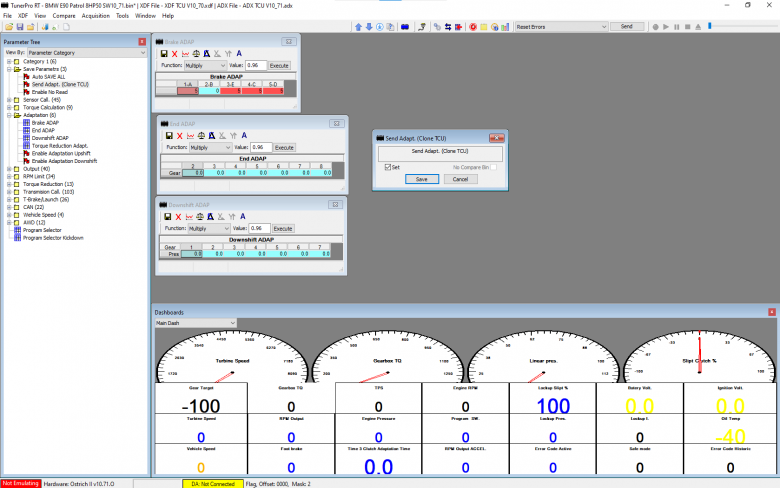
The TCU adapts clutch fill times and clutch apply pressures, storing these as calibration values to keep every shift fast, smooth, and safe for the transmission. It “learns” how much pressure and fill time each clutch needs for clean engagement, compensating for wear and fluid changes.
When and How Do Adaptations Occur?
TurboLamik doesn’t just adapt during a dedicated procedure, adaptation is always active whenever the required parameters are met. For most normal or light-load driving, every qualifying shift will contribute to adaptation.
Per the Manual:
Adaptation occurs every time the conditions for adaptation are met. This means that during normal driving, as long as all required conditions are fulfilled, each corresponding gearshift, for example 3-4 upshift for D clutch, will update the adaptation.
All of the following must be met for adaptation:
- Gearbox oil temperature: 55°C - 80°C, best at approximately 60°C
- Engine speed: 1600 - 3200 RPM
- Throttle position, TPS: Above 2%
- Reported torque: 80 - 140 Nm
- Standard driving mode, time up "0"
- Gear selection: Between 3rd and 7th gear
When these conditions are met, you’ll see an ‘A’ symbol appear in the upper right corner of the display or TunerPro interface.
When adaptation is possible, the symbol 'A' is displayed in the upper right corner of the screen.
If the symbol is present during a shift, adaptation is happening for the clutch involved in that shift. If it’s not present, adaptation is not occurring.
How To Perform Adaptations: Best Practice
- Warm up the transmission by driving gently for a few minutes to get oil temp in range, 55-80°C, ideally around 60°C.
- Verify all adaptation conditions, RPM, torque, gear, mode, are met and that the ‘A’ symbol is shown.
- Perform at least 20 upshifts for each gear: 3-4 D clutch, 4-5 C, 5-6 E, 6-7 A.
- For B clutch: do 20 downshifts 6-5.
- Adaptation is continuous: If you continue normal light-load driving, you’ll further refine these values over time.
What Makes Adaptation Pointless? The Critical Role of Torque Calculation
This is the most misunderstood and most important technical point.
From the manual:
If the torque value sent to the TCU is not correct, the adaptation values learned will not correspond to the real clutch characteristics, and shift quality may suffer. It is critical to configure the torque calculation accurately before performing adaptation.
If the TCU sees torque that is too high: It will command much higher clutch pressures than required. Shifts will be harsh, and the “learned” values are wrong.
If torque is too low: The clutches won’t be clamped hard enough. Result: slip, adaptation errors, and eventual gearbox damage.
Adaptation with incorrect torque is not just useless, it’s actually harmful. You’re “teaching” the TCU the wrong values.
TurboLamik can get torque via:
- CANbus from the OEM or supported standalone ECU
- Analog input, if configured, using RPM, MAP, and TPS for calculation
- Internally calculated, if CAN torque value is not available, using preset lookup tables
Before you run adaptation, log your torque value and make sure it matches reality.
Summary: Adaptations Are Integral, But Only When Done Right
- Adaptation is not a “one-off”, it is ongoing. The TCU adapts every time the parameters are met.
- If you don’t set up your torque calculation correctly, the entire adaptation process is pointless, and can even degrade transmission performance or cause damage.
- Adaptations directly affect shift quality, clutch longevity, and the overall success of your swap.
If you're unsure about your TurboLamik setup, start with a known working base map for your application (TurboLamik base maps can be found here), confirm all your sensor inputs, and monitor live data closely before putting any real load through the transmission.
Related HPA Courses
If you’re planning a ZF 8HP swap, there are several areas where the right knowledge can save a lot of time, money, and frustration:
- Practical Transmission Tuning: For understanding shift tuning, torque management, clutch pressure, drivability, and the tuning process once the transmission is installed.
- Motorsport Wiring: For CANbus wiring, shifter wiring, paddle shift inputs, sensor wiring, and building a reliable transmission control harness.
- Motorsport Plumbing Systems: For transmission cooler plumbing, hose and fitting selection, routing, heat management, and leak-free installation.
- EFI Tuning Starter Package: For the engine ECU side of the project, particularly where reported torque, CAN data, and torque reduction strategies affect transmission control. Covers both standalone ECUs and how to reflash tune stock ECUs.
- Automotive CAD and Practical 3D Scanning: For custom brackets, shifter mounts, crossmembers, clearance checks, and 3D printed or fabricated swap components.
Final Thoughts
A ZF 8HP swap done well is a genuinely transformative upgrade. Whether you're running a TurboLamik, CanTCU, or MaxxECU, the fundamentals are the same: plan your parts in the right order, confirm controller and adapter compatibility before buying, and take the time to configure and verify your setup before putting load through the transmission.
The mistakes covered in this guide are common precisely because the 8HP looks straightforward on the surface. It isn't. But with the right preparation, the right parts, and a methodical approach to setup and commissioning, the result is a transmission that shifts cleanly, handles serious power, and holds together for the long term.